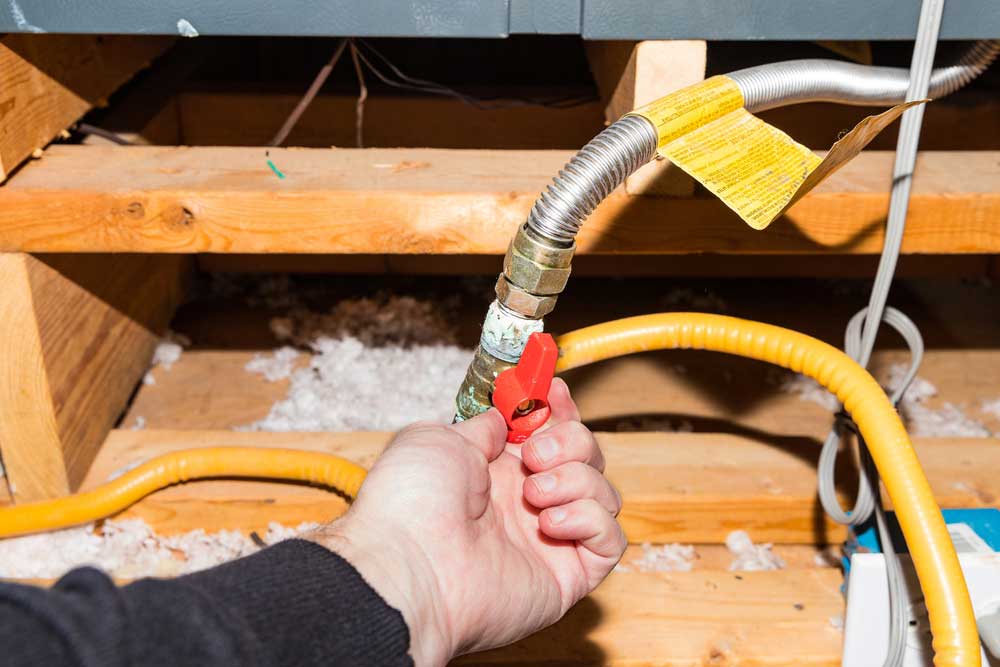
Professional Gas Line Repair
A damaged, leaking, corroded, or improperly connected gas line can create a serious fire, explosion, or health hazard. Suspected gas leaks require immediate precautions and assistance from the gas utility, emergency services, and appropriately licensed professionals.
Get A Plumber Now helps homeowners, businesses, landlords, and property managers request gas line inspection and repair from referred independent plumbers. Service availability, emergency response, diagnostic procedures, pricing, permits, inspections, warranties, and scheduling are determined by the plumber serving your area.
Get A Plumber Now does not inspect gas systems, locate leaks, prepare estimates, shut off utilities, or perform gas line work. The referred plumber is responsible for evaluating the system, confirming the work allowed by licensing and local rules, recommending repair or replacement, providing pricing, and performing any work you authorize.
What Is Gas Line Repair?
Gas line repair may involve locating and correcting a leak, replacing damaged pipe or fittings, repairing appliance connections, correcting improper installation, pressure testing qualifying piping, or replacing part of a fuel-gas distribution system.
Professional gas line service may be requested for:
- Suspected indoor or outdoor gas leaks
- Corroded, damaged, or deteriorated gas piping
- Loose, leaking, or improper fittings and connections
- Damaged appliance shutoff valves or connectors
- Gas lines affected by remodeling, excavation, or impact
- Failed pressure tests or utility safety checks
- Adding, relocating, or removing a qualifying appliance connection
- Replacing outdated or incompatible piping components
- Residential or commercial fuel-gas piping concerns
The appropriate service depends on the fuel type, leak location, pipe material, system pressure, appliance demand, damage severity, access, utility requirements, permits, inspections, and local licensing and code rules.
Signs of a Possible Gas Line Problem
Natural gas is typically odorized so leaks may smell like rotten eggs or sulfur. Propane and other fuel gases may also contain an odorant. Some leaks may be difficult to detect, so unusual conditions should be taken seriously.
Possible warning signs include:
- A rotten-egg, sulfur-like, or unusual gas odor
- Hissing or whistling near piping, valves, meters, or appliances
- Dead or discolored vegetation above an underground line
- Dust, dirt, or debris blowing from the ground
- Bubbles in standing water near buried piping
- Visible corrosion, damage, or movement at gas piping
- An appliance that repeatedly loses fuel supply
- An unexplained increase in gas usage
- A utility notice, failed test, or interrupted gas service
- Physical symptoms that improve after leaving the building
- Damage after construction, drilling, impact, or excavation
Do not rely on smell alone. If you suspect a leak, treat the situation as an emergency and follow the gas utility’s instructions from a safe location.
What to Do If You Suspect a Gas Leak
Gas-leak safety takes priority over protecting property or arranging routine plumbing service.
- Leave the building or affected area immediately
- Move to a safe location away from the suspected leak
- Call 911 and the gas utility from a safe location
- Follow all instructions from emergency responders and the utility
- Do not turn lights, switches, appliances, or electronics on or off
- Do not use a phone, doorbell, or garage-door opener inside the area
- Do not smoke, light a flame, or create a spark
- Do not start a vehicle near the suspected leak
- Do not search for the leak or attempt a repair yourself
- Do not return until emergency responders or the utility say it is safe
Do not shut off gas unless the utility or emergency authority instructs you to do so and you can act safely. A qualified professional may be required to inspect, repair, test, and restore the system before service is resumed.
How Gas Line Repair Works
1. Address Immediate Safety
Suspected active leaks should first be reported to emergency services and the gas utility. Plumbing service begins only after the area and system are considered safe for inspection.
2. Gas Piping Assessment
The referred plumber evaluates accessible piping, fittings, valves, appliance connections, reported symptoms, utility notices, and the portion of the system included in the requested scope.
3. Testing and Repair Recommendation
Depending on local requirements, the plumber may recommend approved leak detection, isolation, pressure testing, component replacement, localized repair, or replacement of a larger piping section.
4. Project-Specific Pricing
The referred plumber explains the proposed work and associated charges. Ask about diagnostics, labor, materials, permits, inspections, access, appliance reconnection, testing, restoration, and warranties before authorizing work.
5. Authorized Gas Line Repair
After receiving approval and any required authorization, the appropriately licensed professional completes the agreed repair or replacement using qualifying materials and methods.
6. Inspection, Testing, and Service Restoration
The repaired system may require testing, inspection, documentation, and utility approval before gas service is restored. The gas utility determines its own reconnection requirements and schedule.
Gas Line Repair Services
Fuel-gas piping systems vary by fuel, pressure, material, layout, appliance load, utility service, and local requirements. The referred professional should confirm the authorized scope before work begins.
Natural Gas Line Repair
Natural gas piping repair may address accessible leaks, damaged fittings, corroded sections, valves, appliance branches, or piping that fails an approved test.
Propane Line Repair
Propane systems have equipment and pressure requirements that may differ from natural gas. Tank, regulator, piping, and appliance work must be coordinated with qualified providers as applicable.
Appliance Gas Line Repair
Qualifying connections may serve ranges, ovens, dryers, fireplaces, water heaters, furnaces, boilers, pool heaters, outdoor kitchens, and other approved gas appliances.
Gas Shutoff Valve Replacement
A damaged, leaking, inaccessible, or noncompliant appliance shutoff valve may require replacement. Main utility valves should be handled only as directed by the utility or emergency authority.
Underground Gas Line Repair
Buried gas lines may be damaged by corrosion, soil movement, roots, excavation, or impact. Location, excavation, approved materials, burial depth, permits, and inspections may affect the project.
Gas Line Pressure Testing
Pressure testing may be required after a repair, service interruption, utility lockout, property transfer, or permit-related inspection. Procedures and acceptance criteria vary by jurisdiction and utility.
Gas line work is regulated and hazardous. Licensing, permits, inspection, utility coordination, approved materials, and testing requirements vary by location and project.
Common Causes of Gas Line Damage
Corrosion and Deterioration
Moisture, soil conditions, age, incompatible materials, damaged coatings, and environmental exposure may corrode metal piping or fittings.
Loose or Failed Connections
Improper assembly, movement, vibration, appliance replacement, aging sealants, or damaged fittings may contribute to leakage at connections.
Excavation or Construction Damage
Digging, drilling, cutting, demolition, or remodeling can strike concealed gas piping. Underground utilities should be located before excavation.
Appliance Movement or Installation
Moving a range, dryer, water heater, or other appliance may kink, loosen, overstress, or damage its connector or shutoff arrangement.
Improper Materials or Installation
Unapproved piping, incompatible fittings, inadequate support, improper sizing, or work that does not follow applicable requirements may create unsafe conditions.
Ground or Structural Movement
Settlement, earthquakes, vehicle impact, vibration, or structural changes may stress piping, supports, joints, or appliance connections.
Gas Line Repair Versus Replacement
A localized repair may be appropriate when damage is limited and the remaining system is serviceable. Replacement of a larger section may be recommended for widespread corrosion, repeated leaks, improper materials, inadequate sizing, inaccessible failures, or significant system changes.
Depending on the inspection findings, the referred professional may recommend:
- Repairing or replacing a damaged fitting
- Replacing an appliance connector
- Replacing a qualifying shutoff valve
- Repairing an accessible section of gas piping
- Replacing corroded or damaged pipe
- Rerouting a qualifying gas line
- Increasing pipe size for an approved appliance load
- Pressure testing the repaired system
- Coordinating required permits and inspections
- Referring appliance, utility, excavation, or restoration work to another provider
The referred professional should explain the piping condition, available options, proposed scope, material specifications, pricing, safety limitations, permit and inspection requirements, and warranties before work begins.
What Can Affect Gas Line Repair Pricing?
Gas line repair does not have one standard price. Project pricing may be affected by:
- Location and severity of the leak or damage
- Natural gas or propane system requirements
- Pipe material, size, pressure, age, and condition
- Aboveground, concealed, or underground piping
- Wall, ceiling, floor, crawlspace, attic, or trench access
- Number of affected connections or appliances
- Leak detection and pressure testing requirements
- Permits, inspections, and utility coordination
- Excavation, backfill, concrete, or landscape restoration
- Emergency, holiday, or after-hours service
- Appliance disconnection and reconnection
- Additional problems discovered during service
The referred professional should explain applicable dispatch, diagnostic, testing, permit, labor, material, inspection, access, and restoration charges before you authorize service.
Get A Plumber Now does not establish gas line repair prices or provide estimates. Estimates, contracts, deposits, payment terms, warranties, permits, inspections, and authorized services are handled directly by the referred professional.
Gas Line Safety and Damage Prevention
Proper installation, utility awareness, appliance care, and prompt attention to warning signs may help reduce gas-line damage and unsafe conditions.
- Know how to recognize the odor added to your fuel gas
- Install and maintain carbon monoxide alarms as recommended
- Call the utility-location service before digging
- Do not hang, store, or support objects on gas piping
- Do not move gas appliances without qualified assistance
- Keep appliance vents and combustion-air openings unobstructed
- Have damaged or corroded piping evaluated promptly
- Use appropriately licensed professionals for gas work
- Follow utility, manufacturer, and local safety requirements
- Leave immediately and call for help if a leak is suspected
Never attempt to locate a leak with a flame or perform unqualified repairs. Gas piping and appliances require specialized knowledge, approved materials, and applicable authorization.
Why Request Gas Line Repair Through Get A Plumber Now?
- Request residential or commercial gas piping assistance
- Describe utility notices, failed tests, damage, or repair needs
- Request a referral to an independent professional serving your area
- Discuss emergency and after-hours availability after immediate safety is addressed
- Request an inspection and project-specific estimate
- Review repair, replacement, testing, and permit requirements
Get A Plumber Now is a plumbing referral and connection service. The referred professional is responsible for inspecting the gas piping, determining the appropriate scope, confirming licensing and insurance, providing pricing, coordinating required approvals, explaining service limitations and warranties, and performing all authorized work.
Straight answers
Frequently asked questions
About Gas Line Repair
- What are the signs of a gas-line leak?Warning signs include a rotten-egg or sulfur-like odor, hissing near a gas line, dead vegetation above buried piping, unexplained increases in gas usage, and damaged or corroded connections. Physical symptoms may include headache, nausea, dizziness, weakness, or difficulty breathing.
- What should I do if I smell gas?Do not use light switches, appliances, phones, matches, or anything that could create a spark. Leave the building immediately, keep others away, and call 911 or the gas utility’s emergency line from a safe location. Do not return until emergency personnel say it is safe.
- Who should repair a damaged gas line?Gas-line repairs should only be completed by a properly licensed and qualified professional. The work may require permits, pressure testing, code-compliant materials, and inspection by the local authority or gas utility. Never attempt to repair, tighten, or modify a suspected leaking gas line yourself.
- What causes gas lines to leak?Gas leaks can result from corrosion, aging materials, loose fittings, improper installation, accidental damage, ground movement, excessive pressure, or deteriorated appliance connectors. Underground lines may also be damaged by excavation, construction, landscaping, or shifting soil.
- Can a small gas leak wait to be repaired?No suspected gas leak should be ignored. Even a small leak may create a fire, explosion, or health hazard. Leave the affected area, report the leak immediately, and have the system inspected before using gas appliances or reentering the building.
- How are gas-line leaks located?Professionals may use combustible-gas detectors, pressure testing, approved leak-detection solutions, and visual inspections to identify the source. The system may need to be isolated into sections when the leak is difficult to locate. Testing should always follow applicable safety requirements and local codes.
- How long does gas-line repair take?A minor, accessible repair may be completed within a few hours. Larger projects involving concealed piping, underground lines, multiple leaks, permitting, inspections, or extensive replacement can take longer. Gas service may remain off until testing and required approvals are complete.
- Does a damaged gas line need repair or complete replacement?Localized damage may be repairable if the surrounding pipe is in good condition. Replacement may be recommended for heavily corroded, improperly installed, undersized, outdated, or repeatedly leaking lines. A qualified professional should inspect the system before recommending the appropriate solution.
- Can a plumber install a gas line for a new appliance?A properly licensed professional may install or modify gas lines for stoves, dryers, fireplaces, furnaces, water heaters, and outdoor appliances where permitted. The line must be correctly sized, supported, connected, pressure-tested, and inspected before the appliance is placed into service.
- How can gas-line problems be prevented?Schedule professional inspections, replace aging appliance connectors, and address corrosion or damaged piping promptly. Keep areas around gas equipment clear and never hang objects from exposed lines. Before digging, call 811 so underground utilities can be marked and accidental damage can be avoided.
Request Gas Line Repair Assistance
After emergency responders or the gas utility have addressed any immediate danger, provide information about the property, utility findings, affected piping or appliances, visible damage, service status, location, and required schedule.
Get A Plumber Now will refer you to an independent professional who can discuss availability, evaluate the gas piping, recommend possible repair or replacement options, and provide project-specific pricing.
-

-
Request Gas Line Repair Service
Click the button below to request assistance after immediate safety concerns have been addressed. Get A Plumber Now will refer you to an independent professional who can discuss the gas piping problem, review availability, and arrange an inspection. Response times and service availability vary by location, urgency, and referred provider.
Request Gas Line Repair Service
If you suspect an active gas leak, leave immediately and call 911 and the gas utility from a safe location.