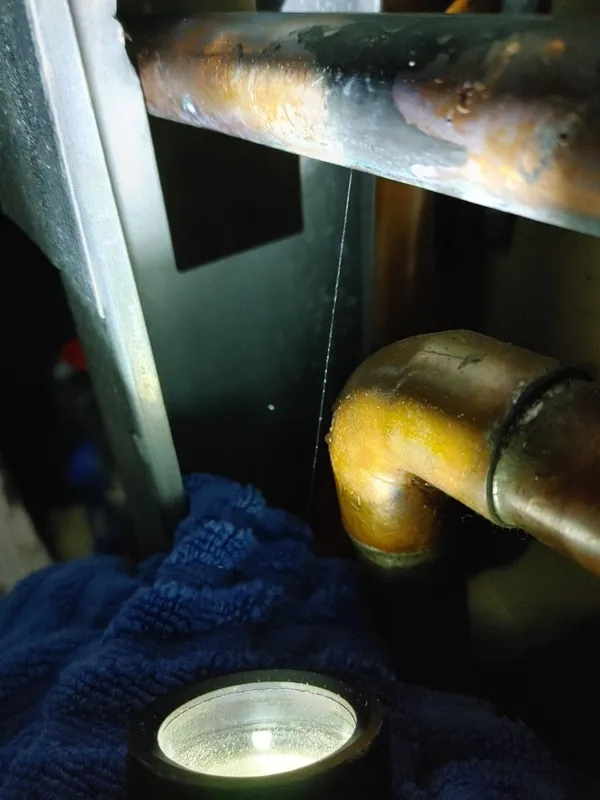
Professional Water Leak Detection Services
Hidden plumbing leaks can damage drywall, flooring, ceilings, cabinets, foundations, and other building materials. They may also contribute to mold growth, water waste, reduced water pressure, and unexpectedly high utility bills.
Get A Plumber Now helps homeowners, businesses, landlords, and property managers request assistance from participating plumbing professionals who may provide water leak detection and plumbing repair services. Depending on the symptoms and property conditions, the plumbing professional may use specialized diagnostic equipment to help locate leaks behind walls, beneath concrete slabs, under flooring, above ceilings, or along underground water lines.
Service availability, diagnostic methods, licensing, insurance, pricing, scheduling, repair recommendations, and warranty terms are determined by the plumbing professional serving your area.
Common Types of Plumbing Leaks
Plumbing leaks can occur throughout residential and commercial properties. Participating plumbing professionals may inspect and diagnose:
- Water service-line leaks
- Underground water-line leaks
- Leaks beneath concrete slabs
- Hot or cold water slab leaks
- Leaks behind walls or above ceilings
- Kitchen and bathroom supply-line leaks
- Toilet, faucet, sink, and fixture leaks
- Water heater connections and nearby plumbing
- Well-line leaks where applicable
- Leaks affecting commercial plumbing systems
After identifying the likely source and location of the leak, the plumbing professional can explain whether a localized repair, pipe rerouting, partial pipe replacement, repiping, fixture repair, or another solution should be considered.
Warning Signs of a Hidden Water Leak
Possible signs of a concealed plumbing leak include:
- Unexpectedly high water bills
- Warm, damp, or discolored areas on flooring
- Water stains on walls or ceilings
- Peeling paint or bubbling wallpaper
- Warped flooring, cabinets, or baseboards
- Mold, mildew, or persistent musty odors
- Reduced or inconsistent water pressure
- Running-water sounds when fixtures are turned off
- A water meter that continues moving when water is not being used
- Unexplained puddles or wet soil outside
- Cracks or moisture around a slab foundation
- Frequent activation of a well pump
These symptoms do not always confirm a plumbing leak. Condensation, roofing problems, appliance failures, irrigation systems, groundwater, drainage issues, and other conditions can produce similar signs. A professional inspection can help determine the source before repairs begin.
What Causes Plumbing Leaks?
Water leaks may develop because of:
- Aging or deteriorated plumbing materials
- Pipe corrosion
- Loose, damaged, or improperly installed fittings
- Excessive or fluctuating water pressure
- Freezing temperatures
- Shifting soil or foundation movement
- Tree-root intrusion affecting underground lines
- Accidental damage during construction or remodeling
- Abrasion where pipes contact concrete or other materials
- Normal wear affecting fixtures, valves, and connections
Determining why a leak developed can help the plumbing professional recommend a repair that addresses the damaged area and any related plumbing conditions.
How Professional Leak Detection Works
1. Review of the Symptoms
The plumbing professional may ask when the problem began, where moisture has appeared, whether the water bill has increased, and whether the leak seems connected to a particular fixture, appliance, or plumbing line.
2. Visual Plumbing Inspection
Accessible pipes, fixtures, valves, water heaters, supply connections, meter readings, and visible damage may be inspected for signs of leakage.
3. Diagnostic Testing
Depending on the suspected location, the plumbing professional may use acoustic equipment, thermal imaging, moisture meters, pressure testing, electronic locating equipment, tracer methods, or other diagnostic tools.
4. Leak Location and Evaluation
The inspection may help narrow down the probable location and source of the leak. Additional access or testing may be needed when the pipe is concealed, difficult to reach, or affected by multiple plumbing problems.
5. Repair Recommendation and Estimate
After evaluating the findings, the plumbing professional can explain the available repair options and provide project-specific pricing before any additional work is authorized.
Common Water Leak Detection Methods
Acoustic Leak Detection
Specialized listening equipment may help identify sounds created by pressurized water escaping from concealed or underground pipes.
Thermal Imaging
A thermal camera may identify temperature differences associated with moisture or hot-water leaks. Thermal imaging can help guide an inspection but may not independently confirm the exact source.
Moisture Testing
Moisture meters may be used to evaluate damp drywall, flooring, ceilings, cabinets, or other accessible building materials.
Pressure Testing
Pressure testing may help determine whether a pressurized plumbing line is losing water. Additional testing may be needed to isolate the affected section.
Electronic Pipe and Line Locating
Locating equipment may help identify the route or approximate position of certain underground or concealed plumbing lines before repair access is created.
The appropriate method depends on the plumbing system, symptoms, property construction, pipe material, accessibility, and suspected location of the leak.
Slab Leak Detection
A slab leak occurs when a water pipe located beneath or within a concrete foundation leaks. Possible signs include warm flooring, damp areas, running-water sounds, unexplained water usage, reduced pressure, cracked flooring, or moisture around the foundation.
Locating a slab leak may require a combination of visual inspection, meter testing, pressure testing, acoustic equipment, thermal imaging, and pipe locating. After evaluating the findings, the plumbing professional may discuss options such as localized repair, rerouting the affected line, or replacing a larger portion of the plumbing system.
Not every wet area or foundation crack is caused by a slab leak. Groundwater, drainage problems, irrigation leaks, condensation, and other building conditions should also be considered.
Water Leak Detection Versus Sewer Camera Inspection
Water leak detection and sewer camera inspection serve different purposes.
Water Leak Detection
Water leak detection is generally used to investigate water escaping from pressurized supply pipes, underground water lines, slab pipes, fixture connections, or plumbing concealed behind building materials.
Sewer Camera Inspection
A sewer camera inspection visually examines accessible drain and sewer pipes. It may help identify roots, blockages, cracks, corrosion, separated joints, low sections, or collapsed sewer pipes.
A plumbing professional can determine which inspection method is appropriate based on the symptoms. Some properties may require more than one diagnostic service.
Why Accurate Leak Location Matters
Locating the probable source of a concealed leak before creating repair access may help:
- Reduce unnecessary openings in walls, ceilings, or flooring
- Limit avoidable excavation
- Identify the affected plumbing line
- Provide clearer repair recommendations
- Estimate the repair scope more accurately
- Address ongoing water loss
- Reduce the risk of additional property damage
No diagnostic method can guarantee that every concealed condition will be identified without access. The plumbing professional should explain the testing limitations and whether additional investigation may be required.
What Affects Leak Detection Pricing?
Leak detection costs may vary based on:
- Property type and location
- Suspected leak location
- Accessibility of the affected plumbing
- Number of plumbing lines requiring testing
- Diagnostic equipment and testing methods required
- Whether the leak is indoors, underground, or beneath a slab
- Time required to isolate the affected line
- Emergency or after-hours service
- Whether repair work is included or priced separately
Ask the plumbing professional whether the quoted price includes diagnostic testing only, written findings, repair recommendations, access work, or plumbing repairs.
Gas Leak Safety
If you smell natural gas, hear hissing near a gas line, or otherwise suspect a gas leak, leave the building immediately and move to a safe location. Avoid using electrical switches, phones, garage-door openers, matches, vehicles, or anything else that could create a flame or spark near the suspected leak.
Contact the gas utility or emergency services from a safe location and follow their instructions. Do not return to the property until the appropriate authority says it is safe.
After the area has been declared safe, Get A Plumber Now will help you request assistance from a participating professional who provides gas line inspection or repair services where available. Never attempt to locate or repair a suspected gas leak yourself.
Why Request Leak Detection Through Get A Plumber Now?
- Request assistance from participating plumbing professionals
- Submit residential or commercial leak-detection needs
- Describe suspected wall, ceiling, underground, or slab leaks
- Request information about available diagnostic methods
- Discuss possible repair options after inspection
- Review service availability in participating areas
Get A Plumber Now is a plumbing connection service. The plumbing professional responding to your request is responsible for selecting appropriate diagnostic methods, confirming licensing and insurance, providing pricing, explaining the findings, recommending possible repairs, and completing any authorized work.
Straight answers
Frequently asked questions
About Leak Detection
- How can I tell whether I have a hidden water leak?Possible signs include unexplained water usage, high utility bills, moisture, stains, musty odors, reduced pressure, running-water sounds, or movement at the water meter when water is not being used. These signs can have other causes, so an inspection may be necessary.
- Can a plumbing professional find a leak without opening a wall?Diagnostic equipment may help narrow down a probable leak location before repair access is created. However, some leaks require an opening, excavation, or additional testing to confirm the source and complete the repair.
- Does leak detection include the plumbing repair?Leak detection and repair may be priced separately. Before authorizing service, ask what the diagnostic fee includes and whether repair pricing will be provided after the leak is located.
- Can thermal imaging locate every water leak?No. Thermal imaging identifies temperature differences that may be associated with moisture, but it does not always confirm the exact source. It may be used with moisture testing, pressure testing, acoustic equipment, and other inspection methods.
- How long does leak detection take?The time required depends on the property, plumbing system, leak location, accessibility, symptoms, and testing methods. The plumbing professional can provide an estimated timeline after reviewing the situation.
- What should I do if a pipe is actively leaking?If it is safe to do so, shut off the affected fixture valve or the property’s main water supply. Keep away from standing water near electrical equipment and request professional assistance. Contact emergency services when the situation presents an immediate safety risk.
- Does homeowners insurance cover hidden plumbing leaks?Coverage depends on the policy, cause of the leak, duration of the damage, and specific exclusions. Contact your insurance provider and review the applicable policy before assuming that detection, plumbing repairs, or resulting property damage will be covered.
- Can leak detection find an underground water-line leak?Some underground leaks may be located using pressure testing, acoustic equipment, line locating, or other diagnostic methods. Pipe material, depth, soil, access, and surrounding noise can affect the inspection.
Request Professional Leak Detection Assistance
If you have unexplained moisture, high water bills, running-water sounds, reduced pressure, or suspected pipe damage, provide details about the problem, property type, affected area, location, and urgency. Get A Plumber Now will help connect you with a participating plumbing professional who can discuss inspection availability and possible next steps.
-

-
Request Water Leak Detection Assistance
Click the button below to request assistance. Get A Plumber Now will help connect you with a participating plumbing professional who can review the symptoms, inspect the plumbing system, discuss available diagnostic methods, and provide project-specific pricing. Response times and scheduling vary by location, urgency, service requirements, and participating professional availability.
Provide a few details about the suspected plumbing leak.