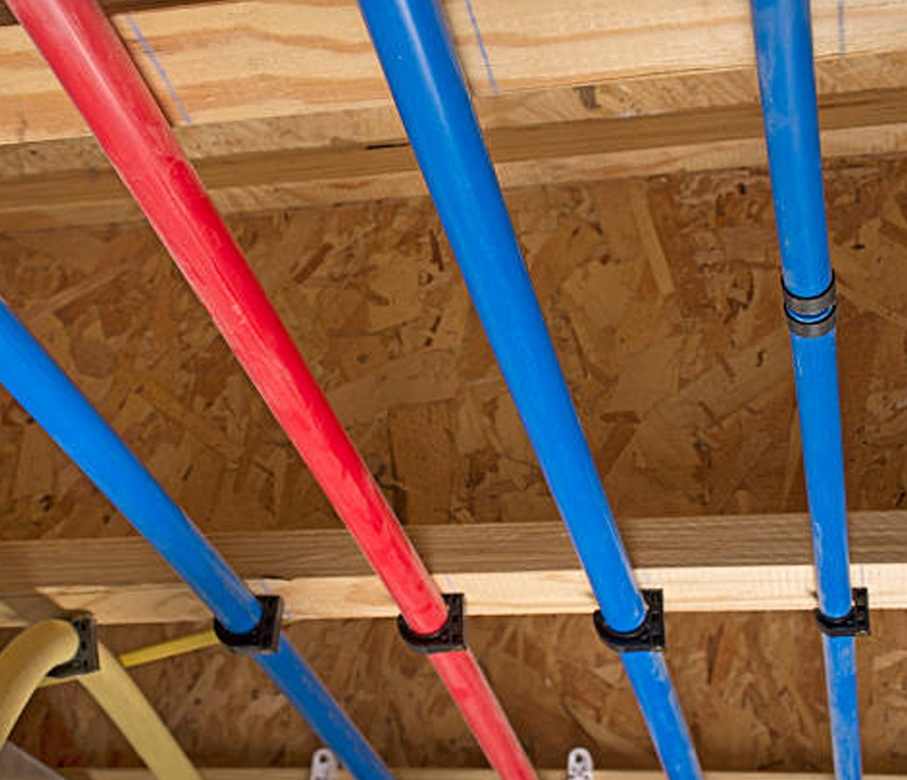
Professional PEX Re-Piping
Aging, corroded, leaking, or undersized water-supply pipes can cause low pressure, discolored water, repeated leaks, and property damage. Professional PEX re-piping replaces qualifying hot- and cold-water distribution lines with cross-linked polyethylene piping selected and installed for the property.
Get A Plumber Now helps homeowners, businesses, landlords, and property managers request PEX re-piping from referred independent plumbers. Service availability, inspections, project schedules, pricing, materials, permits, warranties, and cleanup are determined by the plumber serving your area.
Get A Plumber Now does not inspect piping, design re-piping systems, prepare estimates, supply materials, or perform plumbing work. The referred plumber is responsible for evaluating the property, recommending materials and scope, providing pricing, and performing any work you authorize.
What Is PEX Re-Piping?
PEX re-piping replaces some or all qualifying water-supply piping with flexible cross-linked polyethylene tubing. PEX may be routed through walls, ceilings, attics, crawlspaces, basements, and other accessible areas using approved fittings, supports, manifolds, and connections.
Professional PEX re-piping may be requested for:
- Repeated pinhole leaks or pipe failures
- Corroded galvanized steel or aging metal piping
- Low or inconsistent water pressure
- Rust-colored, cloudy, or metallic-tasting water
- Leaks concealed inside walls, floors, or ceilings
- Undersized or poorly configured supply lines
- Whole-house plumbing renovations
- Partial re-piping of damaged or remodeled areas
- Residential or qualifying commercial properties
The appropriate service depends on the existing pipe material, system layout, property size, fixture count, water pressure, water quality, access, local code requirements, and whether a partial or complete re-pipe is recommended.
Signs You May Need PEX Re-Piping
An isolated leak may sometimes be repaired without replacing the entire system. Repeated failures, widespread corrosion, poor pressure, or aging problem materials may indicate that broader re-piping should be evaluated.
Consider requesting a professional assessment when you notice:
- Frequent leaks in different parts of the property
- Visible corrosion, rust, scaling, or staining on pipes
- Low water pressure at several fixtures
- Major pressure changes when multiple fixtures are used
- Brown, yellow, cloudy, or metallic-tasting water
- Water stains, damp drywall, or unexplained moisture
- Noisy supply pipes or recurring water-hammer symptoms
- Long waits for hot water caused by the piping layout
- Aging galvanized, polybutylene, or deteriorated supply piping
- Planned remodeling that exposes existing plumbing
- Increasing repair costs from repeated pipe failures
A referred plumber can evaluate whether localized repair, partial re-piping, whole-property PEX re-piping, pressure correction, or another plumbing service is appropriate.
What to Do When a Water-Supply Pipe Leaks
A few immediate precautions may help reduce water damage and safety hazards while you arrange professional service.
- Shut off the nearest fixture valve or main water supply when safe
- Stop using fixtures connected to the leaking line
- Keep children and pets away from wet areas
- Do not touch standing water near electrical outlets or equipment
- Move belongings away from the affected area when safe
- Use containers or towels to limit a small active leak
- Do not open walls or ceilings containing unknown wiring or utilities
- Document visible damage for your records when appropriate
- Tell the referred plumber about previous leaks and repairs
- Arrange water extraction or restoration when significant damage occurs
If water is near energized electrical components, avoid entering the area and contact the appropriate emergency service or utility provider. Severe flooding may require immediate water-damage mitigation.
How PEX Re-Piping Works
1. Describe the Piping Problems
Explain where leaks, pressure problems, discoloration, noise, or previous repairs have occurred. Provide information about the property’s age, existing pipe materials, and planned remodeling.
2. Plumbing-System Assessment
The referred plumber evaluates accessible supply lines, fixture demand, pressure, shutoff valves, water heater connections, routing options, and areas requiring access or restoration.
3. Re-Piping Recommendation
Based on the findings, the plumber may recommend localized repair, partial re-piping, or replacement of qualifying hot- and cold-water lines with an approved PEX system.
4. Project-Specific Pricing
The referred plumber explains the proposed service and associated charges. Ask about materials, labor, permits, inspections, access openings, wall repair, painting, cleanup, and warranties before authorizing work.
5. Authorized PEX Installation
After receiving your approval, the plumber installs the agreed piping, fittings, supports, valves, manifolds, and qualifying connections according to the approved scope.
6. Testing, Inspection, and Restoration
The system is tested for leaks and operation. Required inspections are completed, and access openings are addressed according to the contract, which may or may not include drywall, texture, paint, tile, or other finish restoration.
PEX Re-Piping Services
PEX systems may use different tubing types, connection methods, layouts, and routing strategies. The plumber should select approved materials and design the project for the property’s specific requirements.
Whole-House PEX Re-Piping
A whole-house project replaces qualifying hot- and cold-water distribution piping throughout the residence, including approved connections to fixtures, valves, appliances, and the water heater.
Partial PEX Re-Piping
Partial re-piping may replace damaged branches, remodel-area piping, or selected sections while compatible existing lines remain in service. Connections between materials require approved transition fittings.
PEX Manifold Systems
A manifold system may provide dedicated supply lines to individual fixtures or groups of fixtures. This layout can offer centralized shutoffs but requires adequate space and project-specific design.
Trunk-and-Branch Systems
A trunk-and-branch layout uses larger main supply lines with smaller branches serving fixtures. Proper sizing helps support pressure and flow when multiple fixtures operate.
Hot-Water Line Replacement
PEX may be used for qualifying hot-water distribution lines when installed within manufacturer temperature, pressure, clearance, and application requirements.
Fixture and Valve Connections
Re-piping may include approved connections to faucets, toilets, showers, tubs, appliances, hose bibbs, shutoff valves, and water-heating equipment within the authorized scope.
PEX is not approved for every location or application. Direct ultraviolet exposure, excessive heat, unsuitable water conditions, pest risks, fire-rated assemblies, and local code restrictions may affect product selection and routing.
Common Piping Problems Addressed by Re-Piping
Repeated Pinhole Leaks
Recurring leaks can indicate widespread pipe deterioration, corrosion, water-chemistry issues, pressure problems, or aging materials. Re-piping may reduce repeated disruption from individual repairs.
Corroded Galvanized Piping
Galvanized steel can corrode and accumulate scale internally, restricting flow and discoloring water. Replacement may improve distribution when corrosion is extensive.
Low or Uneven Water Pressure
Internal corrosion, undersized lines, poor layout, failing valves, pressure-regulator problems, or utility conditions may affect pressure. Re-piping helps only when the supply-pipe system is a contributing cause.
Discolored Water
Rust or deteriorating metal piping may discolor water. The plumber should determine whether the source is the property’s piping, water heater, fixtures, or public or private water supply.
Polybutylene or Problem Materials
Certain aging or failure-prone pipe materials may warrant evaluation for replacement. The plumber can identify visible materials and recommend an appropriate project scope.
Hidden Supply-Line Leaks
Leaks behind walls, above ceilings, or beneath floors may cause stains, mold conditions, and structural damage. Detection, access, piping replacement, drying, and restoration may involve separate services.
PEX Re-Piping Versus Pipe Repair
A localized repair addresses a specific failure and may be suitable when the remaining system is in serviceable condition. Re-piping replaces a broader section or complete distribution system when failures are recurring, materials are deteriorated, or the layout no longer meets the property’s needs.
Depending on the inspection findings, the referred plumber may recommend:
- Localized pipe or fitting repair
- Replacement of a damaged branch line
- Partial PEX re-piping
- Whole-house PEX re-piping
- Approved transitions between PEX and existing materials
- Shutoff-valve or pressure-regulator replacement
- Water-pressure testing or correction
- Leak detection
- Water-treatment evaluation when water quality is a factor
- Drywall, paint, tile, or other restoration by a qualified provider
The referred plumber should explain the existing pipe condition, available options, proposed scope, material specifications, access requirements, pricing, limitations, inspection requirements, and warranties before work begins.
What Can Affect PEX Re-Piping Pricing?
PEX re-piping does not have one standard price. Project pricing may be affected by:
- Partial or whole-property re-piping
- Property size, stories, layout, and fixture count
- Existing pipe material and system condition
- PEX type, size, brand, fittings, and connection method
- Manifold or trunk-and-branch design
- Attic, crawlspace, basement, slab, or wall access
- Number and location of access openings
- Valve, pressure-regulator, or water-heater connection work
- Permit, inspection, testing, and code requirements
- Occupied-property protection and cleanup
- Drywall, texture, paint, tile, or cabinet restoration
- Additional problems discovered during the project
The referred plumber should explain applicable diagnostic, design, permit, labor, material, access, testing, cleanup, and restoration charges before you authorize service.
Get A Plumber Now does not establish PEX re-piping prices or provide estimates. Estimates, contracts, deposits, payment schedules, material warranties, workmanship warranties, and authorized services are handled directly by the referred plumber.
Protecting a New PEX Plumbing System
Proper installation and ongoing property maintenance may help protect new PEX piping and connected plumbing components.
- Follow the manufacturer’s and plumber’s recommendations
- Maintain water pressure within the recommended range
- Protect piping from direct sunlight and excessive heat
- Insulate qualifying lines in areas exposed to freezing
- Avoid driving nails or screws into concealed plumbing routes
- Keep records of pipe routes, materials, permits, and warranties
- Address leaks, pressure changes, or discoloration promptly
- Maintain water heaters, treatment equipment, and pressure controls
- Use qualified professionals for future plumbing modifications
- Know the locations of main and fixture shutoff valves
PEX product limitations and maintenance considerations vary. The installer should provide applicable documentation and explain how the completed system should be protected.
Why Request PEX Re-Piping Through Get A Plumber Now?
- Request residential or qualifying commercial re-piping service
- Describe recurring leaks, corrosion, pressure, or water-quality concerns
- Request a referral to an independent plumber serving your area
- Discuss partial and whole-property PEX re-piping options
- Request an inspection and project-specific estimate
- Review materials, access, scheduling, restoration, and warranties
Get A Plumber Now is a plumbing referral and connection service. The referred plumber is responsible for inspecting the water-supply system, determining whether PEX re-piping is suitable, confirming licensing and insurance, providing pricing, explaining project limitations and warranties, and performing all authorized work.
Straight answers
Frequently asked questions
About PEX Re-Piping
- What is PEX re-piping?PEX re-piping involves replacing outdated, corroded, leaking, or failing water-supply lines with flexible cross-linked polyethylene tubing. PEX is commonly used for hot- and cold-water plumbing because it resists corrosion, installs efficiently, and requires fewer fittings than many rigid piping materials.
- How do I know if my home needs re-piping?Common warning signs include frequent leaks, low or inconsistent water pressure, rusty or discolored water, unusual-tasting water, visible pipe corrosion, and fluctuating water temperatures. Homes with aging galvanized steel or deteriorating polybutylene pipes may also benefit from a professional re-piping evaluation.
- What are the benefits of PEX piping?PEX does not rust or corrode, resists mineral buildup, and can bend around obstacles with fewer joints. Fewer connections may reduce potential leak points. PEX can also provide quieter water flow and faster installation than rigid piping, depending on the home’s layout and local plumbing requirements.
- Is PEX safe for drinking water?PEX products approved for potable-water applications are designed and tested for residential drinking-water systems. Installation must comply with applicable plumbing codes and manufacturer requirements. A licensed plumber can select properly certified tubing and fittings for the project.
- How long does PEX piping last?Properly installed PEX piping may last 40–50 years or longer. Its actual lifespan depends on water quality, operating temperature, pressure, installation quality, and exposure conditions. PEX should be protected from prolonged ultraviolet light and installed away from excessive heat or other damaging conditions.
- How long does a whole-house PEX re-pipe take?Many whole-house PEX re-piping projects take approximately one to three days. Larger homes, difficult pipe access, extensive fixture counts, and necessary wall repairs can extend the schedule. The plumber should explain which areas require access and how long the water will be unavailable.
- Will walls need to be opened during PEX re-piping?Small wall or ceiling openings are often necessary to access existing plumbing and route new supply lines. Because PEX is flexible, it may require fewer openings than rigid materials in some homes. Ask whether drywall patching, painting, and other finish repairs are included in the estimate.
- Is PEX better than copper for re-piping?Both materials have advantages. PEX is flexible, corrosion-resistant, and usually faster to install. Copper is rigid, durable, and naturally resistant to ultraviolet exposure, but it may be vulnerable to corrosion in certain water conditions. The best choice depends on local codes, water chemistry, budget, and property conditions.
- How much does PEX re-piping cost?The cost depends on the property’s size, number of fixtures, pipe accessibility, labor requirements, permit fees, and whether drywall repairs are included. Re-piping only part of a home costs less than replacing the entire water-supply system. An onsite inspection is typically required for an accurate estimate.
- Does PEX re-piping include drain and sewer pipes?No. PEX is generally used for pressurized hot- and cold-water supply lines, not drain, waste, vent, or sewer piping. If the property also has drainage problems, those lines must be inspected separately and may require cleaning, repair, lining, or replacement.
Request PEX Re-Piping Service
If you have recurring leaks, corroded pipes, low pressure, discolored water, aging supply lines, or a planned renovation, provide information about the property, existing piping, symptoms, previous repairs, location, and desired schedule.
Get A Plumber Now will refer you to an independent plumber who can discuss availability, evaluate the water-supply system, recommend possible re-piping options, and provide project-specific pricing.
-

-
Request PEX Re-Piping Service
Click the button below to request assistance. Get A Plumber Now will refer you to an independent plumber who can discuss the re-piping project, review service availability, and arrange an inspection. Response times and service availability vary by location, project scope, scheduling requirements, and referred plumber.
Provide a few details about your PEX re-piping needs.