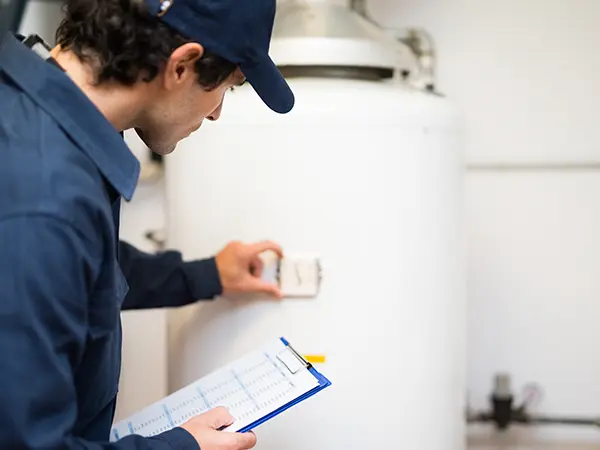
Professional Water Heater Installation & Repair
A malfunctioning or improperly installed water heater can leave a property without adequate hot water, increase utility use, leak into surrounding areas, or create serious safety concerns. Professional service may be needed when a unit stops heating, produces inconsistent temperatures, makes unusual noises, leaks, or requires replacement.
Get A Plumber Now helps homeowners, businesses, landlords, and property managers request water heater installation and repair from referred independent plumbers. Service availability, response times, diagnostic procedures, pricing, equipment, warranties, and scheduling are determined by the plumber serving your area.
Get A Plumber Now does not inspect water heaters, diagnose problems, prepare estimates, supply equipment, or perform plumbing work. The referred plumber is responsible for evaluating the system, recommending installation, repair, or replacement, providing pricing, and performing any work you authorize.
What Is Water Heater Installation & Repair?
Water heater installation and repair may include fitting a new tank or tankless unit, connecting qualifying water and energy supplies, correcting leaks or component problems, restoring hot-water performance, and bringing authorized work into alignment with applicable manufacturer instructions and local requirements.
Professional water heater service may be requested for:
- Installing a water heater in a new or remodeled property
- Replacing an aging, damaged, leaking, or inefficient unit
- No hot water or an inadequate hot-water supply
- Water that becomes excessively hot or changes temperature
- Leaks from the tank, valves, fittings, or connected piping
- Unusual rumbling, popping, hissing, or banging sounds
- Discolored, cloudy, or unpleasant-smelling hot water
- Pilot, ignition, burner, thermostat, or heating-element problems
- Residential or commercial water heater concerns
The appropriate service depends on the unit type, fuel or power source, capacity, age, condition, installation location, venting, drainage, water quality, existing connections, and local code requirements.
Signs You May Need Water Heater Repair or Replacement
Some water heater problems involve a replaceable control, valve, heating element, or connection. Other symptoms may indicate a leaking tank, extensive corrosion, improper installation, unsafe operation, or a unit nearing the end of its service life.
Consider requesting professional assistance when you notice:
- No hot water or substantially reduced hot-water output
- Hot water runs out faster than it previously did
- Water temperature fluctuates or becomes dangerously hot
- Moisture, dripping, or pooled water around the unit
- Rust, corrosion, or staining on the tank or connections
- Rumbling, popping, crackling, or other unusual sounds
- Discolored or foul-smelling hot water
- A pilot light that will not remain lit
- An error code, repeated shutdown, or tripped circuit breaker
- An unexpected increase in energy use
- An aging unit that requires frequent repairs
A referred plumber can evaluate whether the problem involves sediment, a failed control or heating component, damaged valve, leaking connection, venting issue, combustion problem, deteriorated tank, or another plumbing-system condition.
What to Do When a Water Heater Fails
A few immediate precautions may help limit water damage and reduce safety risks while you arrange service.
- Stop using the water heater if it is leaking, overheating, or behaving abnormally
- Keep children and pets away from the unit and any standing water
- Do not touch standing water near electrical equipment or wiring
- Turn off the unit’s energy supply only when you can do so safely
- Close the water supply valve only if it is accessible and safe to operate
- Do not relight a pilot or reset a unit repeatedly
- Do not modify a temperature-and-pressure relief valve or plug its discharge pipe
- Leave the area and contact the gas utility or emergency services if you smell gas
- Tell the referred plumber about any error codes, leaks, noises, or reset attempts
- Provide the brand, model, fuel type, capacity, and approximate age when available
Gas odors, combustion fumes, suspected carbon monoxide, scalding water, fire, or significant electrical hazards require immediate attention from the appropriate emergency service, utility, or qualified professional.
How Water Heater Installation & Repair Works
1. Describe the Water Heater Project
Explain whether you need installation, replacement, or repair. Describe temperature problems, leaks, noises, odors, error codes, available hot water, and the unit’s energy source.
2. Water Heater Assessment
The referred plumber evaluates the unit, visible plumbing connections, valves, controls, drain arrangement, installation area, and qualifying venting or energy-supply components.
3. Installation or Repair Recommendation
Based on the findings, the plumber may recommend repairing a qualifying component, correcting a connection, flushing sediment when appropriate, installing a compatible unit, or replacing the existing water heater.
4. Project-Specific Pricing
The referred plumber explains the proposed service and associated charges. Ask about labor, materials, equipment, removal, permits, code upgrades, electrical or gas work, cleanup, and warranties before authorizing work.
5. Authorized Installation or Repair
After receiving your approval, the referred plumber completes the authorized work and reconnects qualifying plumbing and related components within the agreed scope.
6. Final Testing and Instructions
The plumber may test operation, temperature, drainage, and visible connections, then explain controls, maintenance recommendations, limitations, safety information, and applicable warranties.
Water Heater Installation Services
A new water heater must be properly sized and compatible with the property’s hot-water demand, energy source, utility connections, installation area, venting, drainage, and applicable codes.
Tank Water Heater Installation
A storage-tank water heater holds heated water for use throughout the property. Installation may involve water connections, shutoff valves, drainage provisions, energy connections, venting, supports, and required safety components.
Tankless Water Heater Installation
A tankless unit heats water on demand. Installation or conversion may require assessment of gas capacity, electrical service, venting, water flow, condensate drainage, mounting location, and potential plumbing modifications.
Gas Water Heater Installation
Gas-fired units require an appropriate fuel connection, combustion air, venting, clearances, and safety controls. Gas and venting work must comply with manufacturer instructions and local requirements.
Electric Water Heater Installation
Electric units require compatible electrical service, overcurrent protection, grounding, wiring, and disconnect provisions. A qualified electrician may be needed for new circuits or electrical corrections.
Heat Pump Water Heater Installation
Heat pump water heaters require suitable space, air volume, temperature conditions, condensate drainage, electrical service, and clearances. Their cooling and dehumidifying effects may also influence placement.
Water Heater Replacement
Replacement may include disconnecting and removing the old unit, evaluating existing connections, installing the selected water heater, completing required upgrades, and testing the finished system.
Product requirements and local codes vary. The referred plumber should confirm the planned scope and identify any separate electrical, gas, venting, structural, or restoration work before installation begins.
Common Water Heater Problems
No Hot Water
A lack of hot water may involve loss of power or fuel, a failed heating element, thermostat or control problem, pilot or ignition failure, burner issue, or internal unit malfunction.
Not Enough Hot Water
Insufficient hot water may result from incorrect settings, sediment buildup, a damaged component, high demand, plumbing crossover, or a unit that is undersized for the property’s needs.
Water Heater Leaks
Leaks may develop at supply connections, valves, drain fittings, relief piping, or the tank itself. Leakage from a corroded or failed tank generally requires replacement.
Unusual Noises
Popping, rumbling, crackling, hissing, or banging may be related to sediment, mineral scale, pressure changes, heating components, combustion, or another condition requiring evaluation.
Temperature Problems
Water that is too cool, too hot, or inconsistent may indicate incorrect settings, a failed thermostat or control, heating-element problems, flow limitations, or improper sizing.
Discolored or Odorous Hot Water
Rust, sediment, water chemistry, bacteria, a deteriorated anode rod, corroded piping, or tank damage may affect hot-water color or odor. Proper diagnosis depends on the source and whether cold water is also affected.
Water Heater Repair Versus Replacement
Repair may be reasonable when the unit is in otherwise serviceable condition and the problem involves a qualifying control, heating element, valve, burner component, or plumbing connection. Replacement may be recommended for a leaking tank, severe corrosion, extensive damage, repeated breakdowns, poor efficiency, or an improperly sized unit.
Depending on the inspection findings, the referred plumber may recommend:
- Repairing or replacing qualifying controls or thermostats
- Replacing an electric heating element
- Repairing a pilot, ignition, or burner-related component
- Correcting leaking water connections or valves
- Flushing sediment when appropriate for the unit
- Replacing an anode rod when practical
- Correcting qualifying venting or drainage issues
- Installing a replacement tank water heater
- Installing a tankless or heat pump water heater
- Referring specialized electrical, gas, or structural work to another qualified professional
The referred plumber should explain the water heater’s condition, available options, proposed scope, pricing, potential limitations, product requirements, expected performance, and warranties before additional work begins.
What Can Affect Water Heater Service Pricing?
Water heater installation and repair does not have one standard price. Service pricing may be affected by:
- Installation, repair, maintenance, or replacement service
- Tank, tankless, gas, electric, or heat pump equipment
- Unit capacity, efficiency rating, brand, model, and features
- Whether the customer or plumber supplies the equipment
- Condition and location of existing plumbing connections
- Gas, electrical, venting, or condensate requirements
- Required permits, inspections, or code upgrades
- Accessibility and available working space
- Drain pan, relief piping, expansion control, or support requirements
- Removal and disposal of the old unit
- Emergency or after-hours service
- Additional repairs discovered during service
The referred plumber should explain applicable dispatch, diagnostic, minimum-service, labor, material, equipment, permit, disposal, and after-hours charges before you authorize service.
Get A Plumber Now does not establish water heater service prices or provide estimates. Estimates, invoices, deposits, payment terms, product warranties, workmanship warranties, and authorized services are handled directly by the referred plumber.
Water Heater Use and Maintenance Tips
Proper operation and manufacturer-recommended maintenance cannot prevent every failure, but they may help support performance, efficiency, and service life.
- Follow the water heater manufacturer’s instructions
- Use a safe temperature setting appropriate for the household or property
- Keep the area around the unit clear as required
- Do not store flammable materials near fuel-fired equipment
- Inspect visible connections and the surrounding area for moisture
- Arrange appropriate maintenance for the specific unit type
- Do not cap, plug, or modify relief-valve discharge piping
- Address corrosion, unusual sounds, odors, error codes, and leaks promptly
- Install and maintain carbon monoxide alarms where appropriate
- Follow the referred plumber’s and manufacturer’s maintenance recommendations
Maintenance schedules and procedures vary by equipment and water conditions. Some tasks involve scalding water, pressure, gas, combustion, or electricity and should be performed by qualified professionals.
Why Request Water Heater Service Through Get A Plumber Now?
- Request residential or commercial water heater service
- Describe installation, leak, temperature, noise, or performance concerns
- Request a referral to an independent plumber serving your area
- Discuss routine, emergency, and after-hours availability
- Request an inspection and project-specific estimate
- Review repair, replacement, and installation options
Get A Plumber Now is a plumbing referral and connection service. The referred plumber is responsible for inspecting the water heater and connected systems, identifying the likely problem, confirming licensing and insurance, providing pricing, explaining service limitations and warranties, and performing all authorized work.
Straight answers
Frequently asked questions
About Water Heater Installation & Repair
- How long does a water heater typically last?Traditional tank water heaters commonly last 8–12 years, while tankless models can last 15–20 years or longer with proper maintenance. Water quality, installation quality, usage, and routine servicing all affect lifespan. Check the manufacturer’s label to determine your unit’s age.
- What are the signs of a failing water heater?Common warning signs include insufficient hot water, fluctuating temperatures, discolored or rusty water, unusual noises, visible corrosion, leaking connections, and water collecting around the tank. A leaking tank usually requires prompt replacement to reduce the risk of water damage.
- Why is my water heater not producing hot water?Electric models may have a tripped breaker, defective thermostat, or failed heating element. Gas units may have an ignition, thermocouple, gas-supply, or burner problem. Because troubleshooting involves electricity, gas, and very hot water, a qualified technician should diagnose persistent issues.
- Should I choose a tank or tankless water heater?Tank models generally cost less upfront and store a ready supply of hot water. Tankless units heat water on demand, take up less space, and may offer greater energy efficiency and a longer service life. The right choice depends on household demand, utility capacity, installation requirements, and budget.
- What size water heater does my home need?Tank capacity is based on household size and peak hot-water demand. Tankless systems are sized according to required flow rate and incoming-water temperature. An undersized system may run out of hot water, while an oversized one may waste energy. Professional sizing helps ensure reliable performance.
- How long does water heater installation take?A standard replacement can often be completed in two to four hours. Installation may take longer when switching fuel types, installing a tankless system, modifying ventilation, upgrading electrical or gas service, relocating the unit, or bringing older connections up to current code.
- Why is my water heater making popping or rumbling noises?These sounds often result from sediment collecting at the bottom of a tank. As water becomes trapped beneath the sediment and heats up, it can create popping or rumbling noises. Flushing may help, but heavy buildup can reduce efficiency and contribute to premature tank failure.
- How often should a water heater be maintained?Most tank water heaters should be inspected annually and flushed as recommended for local water conditions. Maintenance may include testing the temperature-and-pressure relief valve, checking the anode rod, examining connections, and removing sediment. Tankless units also require periodic descaling and filter cleaning.
- Is a leaking water heater an emergency?It can be. Turn off the unit’s electricity or gas supply only if you can do so safely, close the cold-water shutoff valve, and contact a professional promptly. Do not touch standing water near electrical equipment. A ruptured or heavily leaking tank may cause extensive property damage and usually requires replacement.
- What are the signs that my water heater needs to be replaced?Common signs include inconsistent hot water, rusty or discolored water, strange banging or rumbling noises, water leaking around the tank, rising energy bills, or a lack of hot water altogether. If your water heater is more than 10 to 15 years old and requires frequent repairs, replacing it may be a more cost-effective solution than continuing to repair it.
- Why is my water heater not producing enough hot water?A water heater that runs out of hot water quickly may have a faulty heating element, a malfunctioning thermostat, sediment buildup inside the tank, or an undersized unit that cannot meet your household's demand. Tankless water heaters may also experience reduced performance if multiple fixtures are used simultaneously or if regular maintenance has been neglected.
- Can a leaking water heater be repaired?It depends on where the leak is coming from. Leaks caused by loose fittings, faulty valves, or damaged connections can often be repaired. However, if the water heater tank itself has cracked or corroded, the unit generally cannot be repaired and will need to be replaced. Prompt attention can help minimize water damage to your home.
- Should I choose a tank or tankless water heater?Both options offer advantages depending on your household's needs. Traditional tank water heaters typically have a lower upfront installation cost and work well for many families. Tankless water heaters provide hot water on demand, use less energy over time, take up less space, and generally last longer. A plumbing professional can help determine which system is best based on your hot water usage, available space, energy goals, and budget.
- What type of water heater should I get?When it comes to providing hot water for your home, there are two main options: a tankless water heater or a traditional water heater. Both have their pros and cons, so it’s important to weigh your needs before making a decision. One advantage of a tankless water heater is that it doesn’t store hot water, so there’s no need to worry about running out of hot water. They are called an “on-demand system”. They also tend to be more energy-efficient than traditional water heaters, because they only heat water when you need it.On the other hand, tankless water heaters can be more expensive to purchase and install, but they may not be able to meet the demands of a large household. We’ll make sure to advise you on the best option for your home.
- Do I need a permit to install a water heater?Yes, state law requires a permit for installing any type of water heater, be it electrical or gas, as well as a final inspection. At Get A Plumber Now, we can take care of permitting on your behalf for a fee of $450 to help you avoid the paperwork.
- Are electric water heaters safe than gas water heaters?Electric water heaters are generally considered safer than gas water heaters, as they are less likely to cause a fire. However, gas water heaters are cheaper to operate in the long run.
- Can I install a hot water system myself?Yes, you can technically install a hot water system as a homeowner, but unless you have high electrical, gas, and plumbing knowledge, we recommend you stay away from it. There are a lot of technical and safety implications when installing a water heater and you wouldn’t want to put yourself or your family in danger, so it’s best you call a professional.All installations comply to California’s building codes and local laws and regulations.
- How long do water heaters last?It depends on the type of water heater you have, as well as on other factors such as if you’re performing regular maintenance, the hardness of your water, and usage. Generally speaking, with proper maintenance, tankless water heaters, gas water heaters, or electrical water heaters last 15 to 20 years.
- How do I maintain my water heater?Maintenance needs differ from model to model, but in general, an annual inspection, as well as draining and descaling of your water heater is recommended.
Request Water Heater Installation or Repair
If you need a water heater installed or have a unit that is leaking, noisy, producing inadequate hot water, or not working, provide information about the property, equipment, symptoms, energy source, location, and urgency.
Get A Plumber Now will refer you to an independent plumber who can discuss availability, evaluate the water heater and connected systems, recommend possible solutions, and provide project-specific pricing.
-

-
Request Water Heater Service
Click the button below to request assistance. Get A Plumber Now will refer you to an independent plumber who can discuss the water heater project, review service availability, and arrange an inspection. Response times and service availability vary by location, time, urgency, requested service, and referred plumber.
Provide a few details about your water heater installation or repair needs.