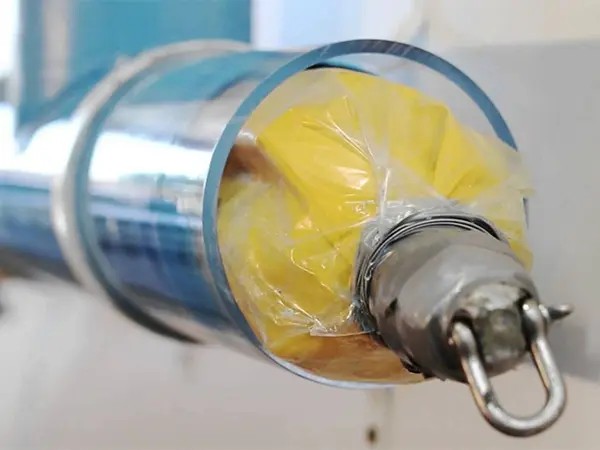
Sewer Pipe Lining and Trenchless Pipe Relining
Damaged sewer pipes do not always require complete excavation and replacement. Sewer pipe lining, also known as cured-in-place pipe lining or CIPP, is a trenchless rehabilitation method that installs a fitted liner inside certain existing sewer pipes.
Get A Plumber Now helps homeowners, businesses, landlords, and property managers request assistance from participating plumbing professionals who may provide sewer camera inspections, pipe cleaning, sewer pipe lining, and other trenchless services.
Before recommending pipe lining, the plumbing professional should evaluate the existing pipe’s material, diameter, length, condition, alignment, connections, accessibility, and structural integrity. Service availability, inspection methods, licensing, insurance, materials, pricing, permits, scheduling, warranties, and repair recommendations are determined by the plumbing professional serving your area.
What Is Sewer Pipe Lining?
Sewer pipe lining is a trenchless repair method used to rehabilitate certain damaged sewer and drain pipes. During a typical CIPP installation, a flexible liner containing resin is positioned inside the existing pipe. The liner is expanded against the pipe walls and cured to form a fitted interior lining.
The completed liner is sometimes described as a “pipe within a pipe.” The existing sewer pipe remains in place while the liner covers qualifying cracks, leaking joints, corrosion, and other accessible defects.
Pipe lining may be considered for sewer lines affected by:
- Cracks and small openings
- Leaking or deteriorated pipe joints
- Corrosion and interior deterioration
- Accessible tree-root intrusion
- Minor separations or offsets within system limitations
- Water infiltration through damaged areas
- Recurring problems caused by qualifying pipe defects
Pipe lining does not correct every sewer problem. Completely collapsed pipes, severe misalignment, improper slope, extensive low sections, major diameter loss, or inaccessible connections may require another repair method.
Signs That Your Sewer Line May Need Inspection
Sewer-line problems can produce symptoms throughout a residential or commercial property. Possible warning signs include:
-
Recurring Sewer Backups or Slow Drains
Multiple slow drains, wastewater backing up into sinks, tubs, showers, toilets, or floor drains, and repeated drain-cleaning appointments may indicate a problem affecting the main sewer line. -
Foul Sewer Odors
Persistent sewer odors inside or outside the property may be associated with damaged pipes, dry traps, venting problems, loose connections, or other plumbing conditions requiring inspection. -
Unusual Lawn or Soil Conditions
Soggy areas, unusually green patches of grass, depressions, sinkholes, or unexplained wet soil near the sewer route may indicate an underground plumbing problem. -
Gurgling Toilets or Drains
Bubbling or gurgling sounds after flushing a toilet or draining a sink may indicate restricted wastewater flow, trapped air, a blockage, pipe damage, or a venting problem. -
Recurring Root Problems
Tree roots may enter through cracks, failed joints, or other openings. If roots return after cleaning, the underlying pipe condition may require further evaluation. -
Recurring Pest Activity
Damaged sewer pipes may provide access points for insects or rodents. Pest activity accompanied by sewer odors, backups, or drainage problems may justify a plumbing inspection. -
Repeated Repairs to an Older Sewer Line
A pipe that requires frequent cleaning or localized repair may have broader deterioration that should be evaluated before another temporary repair is performed.
These symptoms do not automatically mean that pipe lining is required. A sewer camera inspection and other diagnostic work can help identify the underlying condition.
How the Sewer Pipe Lining Process Works
1. Sewer Camera Inspection
A plumbing professional may inspect the accessible sewer line with a camera to identify visible blockages, roots, cracks, corrosion, offsets, separation, low sections, or collapse.
2. Pipe Locating and Measurement
The damaged section may be located and measured. The plumbing professional evaluates pipe length, depth, diameter, material, access points, service connections, and surrounding property conditions.
3. Sewer Cleaning and Preparation
Roots, grease, scale, corrosion, and debris generally must be removed before a liner can be installed. Preparation may include mechanical cleaning, pipe descaling, or hydro jetting.
4. Final Eligibility Evaluation
After cleaning, another camera inspection may reveal pipe damage that was previously hidden. The plumbing professional then determines whether the pipe is suitable for lining.
5. Liner Preparation and Placement
A liner is prepared according to the pipe measurements and selected installation system. It is positioned inside the existing sewer pipe through an available access point.
6. Expansion and Curing
The liner is expanded against the pipe walls using air, water, or other installation equipment. The resin is cured according to the selected product and process.
7. Reopening Service Connections
When applicable, connected branch lines may need to be reopened after the liner cures. The method depends on access, pipe configuration, and installation requirements.
8. Final Inspection and Testing
The plumbing professional may complete a final camera inspection or other testing to evaluate the liner, connections, wastewater flow, and completed installation.
Potential Benefits of Sewer Pipe Lining
When the sewer line qualifies, pipe lining may provide several potential benefits:
- Limited excavation: Installation may be completed through existing or newly created access points.
- Reduced surface disruption: Landscaping, concrete, driveways, sidewalks, flooring, and paved areas may experience less disturbance.
- Coverage of qualifying defects: A liner may cover certain cracks, leaking joints, corrosion, and accessible root-entry points.
- Smoother interior surface: The installed liner may improve wastewater flow through the rehabilitated section.
- Reduced restoration work: Limited excavation may reduce certain landscaping, paving, concrete, or flooring repairs.
- Residential and commercial applications: CIPP lining may be available for qualifying homes, businesses, rental properties, and managed buildings.
These are potential benefits rather than guarantees. Excavation, project duration, service life, flow improvement, restoration needs, and total cost depend on the pipe, property, selected system, installation, and maintenance.
When Sewer Pipe Lining May Be Appropriate
A plumbing professional may consider pipe lining when:
- The pipe remains sufficiently intact to support a liner
- Damage consists of qualifying cracks, joints, corrosion, or deterioration
- The pipe can be properly cleaned and prepared
- The liner can be installed through available access points
- The pipe maintains an acceptable route and slope
- Service connections can be properly addressed
- Reducing surface excavation is an important project consideration
Product requirements and installation limitations vary. The plumbing professional should explain why the existing pipe qualifies for the proposed system.
When Pipe Lining May Not Be Appropriate
Another repair or replacement method may be required when the sewer line has:
- Complete or extensive collapse
- Severe pipe misalignment or separation
- Improper slope or grading
- Large low or bellied sections
- Extensive diameter loss
- Obstructions that cannot be removed
- An unsuitable pipe route or configuration
- Connections that cannot be properly reopened
- Insufficient access for the selected lining system
Depending on the inspection findings, the plumbing professional may instead recommend a localized repair, pipe bursting, or conventional sewer line repair and replacement.
Pipe Lining Versus Pipe Bursting
Sewer Pipe Lining
Pipe lining rehabilitates a qualifying existing pipe by installing a fitted liner along its interior. The original pipe remains in place and supports the lining installation.
Pipe Bursting
Pipe bursting replaces an existing pipe by breaking it apart while pulling a new pipe along the same route. Entry and exit points are generally required.
Pipe lining may be considered when the existing pipe remains structurally and geometrically suitable. Pipe bursting may be considered when the existing pipe is too deteriorated for lining but its route can support trenchless replacement.
Pipe Lining Versus Traditional Sewer Replacement
Trenchless Pipe Lining
Pipe lining normally uses limited access points and may reduce excavation along the pipe route. The existing pipe must meet the requirements of the selected lining system.
Traditional Excavation
Traditional replacement exposes the damaged sewer line through excavation. It may cause more surface disruption but provides direct access and may be necessary when a pipe is collapsed, severely misaligned, improperly graded, or unsuitable for lining.
Property owners should compare the complete proposed scope—not only the initial price. Consider cleaning, access, materials, service connections, permits, inspection, excavation, restoration, warranties, and the suitability of each method.
Residential Sewer Pipe Lining
Residential pipe lining may be considered for qualifying sewer lines located beneath yards, driveways, patios, landscaping, sidewalks, or portions of a home. Access, pipe routing, branch connections, municipal requirements, and nearby utilities can affect the available options.
Before authorizing residential pipe lining, ask whether the estimate includes:
- Camera inspection and pipe locating
- Cleaning and pipe preparation
- Access-point creation
- Liner materials and installation
- Reopening applicable service connections
- Permit and inspection fees
- Final camera inspection
- Surface restoration
- Material and workmanship warranties
Commercial Sewer Pipe Lining
Commercial pipe lining may be available for qualifying apartment buildings, offices, restaurants, retail properties, hotels, warehouses, and other managed facilities.
Commercial projects may require coordination with tenants, facility managers, business operators, municipalities, and other contractors. Access limitations, operating schedules, wastewater interruptions, safety procedures, and project phasing should be discussed before work begins.
What Affects Sewer Pipe Lining Pricing?
Sewer pipe lining pricing may be affected by:
- Pipe length, diameter, depth, and material
- Location and extent of the damage
- Cleaning and preparation requirements
- Root, scale, grease, or debris removal
- Existing access and required access points
- Number and location of service connections
- Liner material and curing system
- Residential or commercial property requirements
- Permit and inspection fees
- Surface restoration included in the project
- Additional repairs discovered during inspection
An inspection and pipe evaluation are generally needed before the plumbing professional can determine eligibility and provide project-specific pricing.
Why Request Sewer Pipe Lining Through Get A Plumber Now?
- Request assistance from participating plumbing professionals
- Submit residential or commercial sewer-line concerns
- Request information about sewer camera inspections
- Discuss pipe lining, pipe bursting, and excavation options
- Request a project-specific inspection and estimate
- Review availability in participating service areas
Get A Plumber Now is a plumbing connection service. The plumbing professional responding to your request is responsible for inspecting the pipe, determining whether lining is appropriate, selecting the installation system and materials, confirming licensing and insurance, providing pricing, obtaining applicable permits, explaining warranties, and completing any authorized work.
Straight answers
Frequently asked questions
About Sewer Pipe Lining
- Is sewer pipe lining the same as pipe replacement?No. Pipe lining installs a fitted liner inside a qualifying existing pipe. Pipe replacement removes, displaces, or bypasses the existing pipe and installs a replacement pipe.
- Can every damaged sewer pipe be lined?No. Completely collapsed, severely misaligned, improperly graded, inaccessible, or extensively deformed pipes may not qualify. Inspection, cleaning, and measurement are required before eligibility can be determined.
- Does the sewer line need to be cleaned first?Typically, the pipe must be cleaned and prepared before lining. Roots, scale, grease, debris, and other material may prevent the liner from fitting properly against the existing pipe.
- Can pipe lining stop tree roots?A properly installed liner may cover certain cracks or joints where roots entered. However, eligibility depends on the pipe’s condition, and roots must normally be removed before installation.
- Will pipe lining reduce the pipe diameter?A liner occupies some interior space. The effect on flow depends on liner thickness, existing pipe condition, diameter, installation, and other factors. The plumbing professional should explain the proposed system’s specifications.
- How long does sewer pipe lining take?The timeline depends on inspection, cleaning, access, pipe length, connections, liner preparation, curing method, permits, and final testing. The plumbing professional should provide an estimated schedule after evaluating the project.
- How long does a sewer pipe liner last?Expected service life depends on the liner product, installation, existing pipe, wastewater exposure, property conditions, and maintenance. Request written manufacturer specifications and warranty information.
- Does sewer pipe lining require digging?Pipe lining may reduce excavation, but access points or localized digging may still be required. The amount depends on existing access, pipe configuration, service connections, and installation requirements.
- Are permits required for pipe lining?Permit and inspection requirements vary by jurisdiction and project. Confirm who will obtain permits, schedule inspections, and pay applicable fees before approving the work.
- Is pipe lining less expensive than traditional replacement?Pipe lining may reduce certain excavation and restoration expenses, but specialized preparation, materials, equipment, and access can affect pricing. Compare complete written estimates for each appropriate method.
Request Sewer Pipe Lining Assistance
If your property has recurring backups, root intrusion, deteriorated sewer pipes, or damage beneath landscaping or paved areas, provide information about the problem, property type, location, previous repairs, and urgency. Get A Plumber Now will help connect you with a participating plumbing professional who can discuss inspection and pipe-lining availability.
-

-
Request Sewer Pipe Relining Service
Click the button below to request assistance. Get A Plumber Now will help connect you with a participating plumbing professional who can review the sewer problem, inspect the pipe, discuss trenchless repair options, and provide project-specific pricing. Response times and scheduling vary by location, urgency, project requirements, and participating professional availability.
Request Pipe Lining Assistance
Provide a few details about your sewer-line problem.