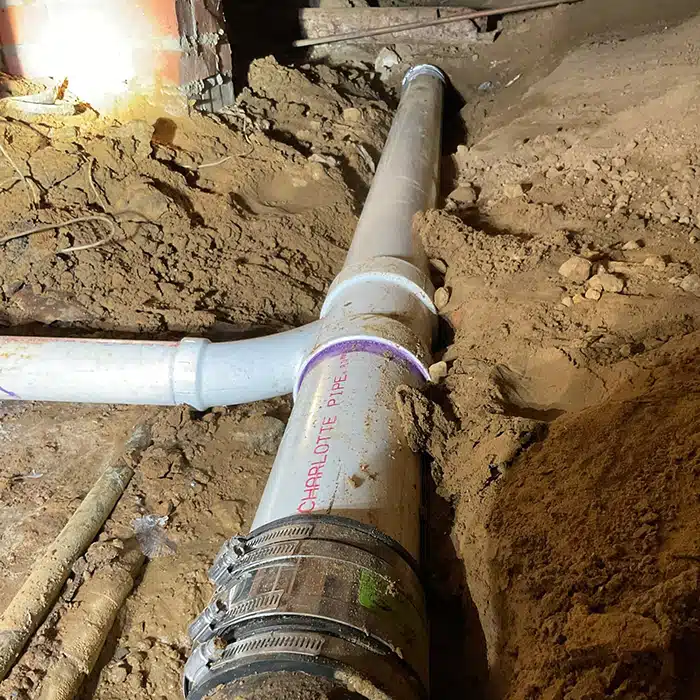
Professional Sewer Line Repair and Replacement Services
A damaged sewer line can cause recurring backups, slow drains, unpleasant odors, wastewater leaks, and property damage. Get A Plumber Now helps homeowners, businesses, landlords, and property managers request assistance from participating plumbing professionals who may provide sewer line inspections, repairs, and complete replacements.
After inspecting the sewer system, the plumbing professional can explain the source and extent of the damage, discuss available repair or replacement methods, and provide project-specific pricing. Service availability, licensing, insurance, permits, warranties, scheduling, and project terms are determined by the plumbing professional serving your area.
What Is Sewer Line Repair?
Sewer line repair addresses damage or blockages affecting the underground pipe that carries wastewater from a home or commercial property to a municipal sewer main or septic system.
Common sewer line problems include:
- Cracked or leaking sewer pipes
- Tree-root intrusion
- Grease, debris, mineral buildup, or foreign-object blockages
- Collapsed, corroded, or deteriorated pipes
- Separated or misaligned pipe connections
- Low sections that allow wastewater to collect
- Recurring sewer backups and slow drainage
- Damage caused by shifting soil or ground movement
Depending on the inspection findings, the appropriate solution may involve clearing a blockage, completing a localized repair, lining part of the pipe, replacing a damaged section, or replacing the entire sewer line.
When Sewer Line Replacement May Be Needed
Complete sewer line replacement may be considered when the existing pipe is severely damaged, collapsed, extensively corroded, improperly aligned, or approaching the end of its useful service life. Replacement may also be recommended when repeated repairs are no longer addressing the underlying problem.
Depending on the condition and location of the pipe, a plumbing professional may recommend traditional excavation, pipe bursting, or another trenchless sewer repair or replacement method.
Potential Benefits of Sewer Line Replacement
- Modern replacement materials designed to resist corrosion
- Reduced risk of recurring leaks and sewer backups
- Removal of badly damaged or collapsed pipe sections
- Improved wastewater flow and drainage performance
- Trenchless options that may reduce surface excavation
- Correction of improper pipe alignment or deteriorated connections
- A longer-term solution when localized repairs are insufficient
The actual benefits depend on the pipe material, replacement method, installation quality, property conditions, maintenance, and other project-specific factors.
How Sewer Line Repair and Replacement Works
1. Inspection and Diagnosis
A plumbing professional may begin with a sewer camera inspection or other diagnostic testing to locate blockages, cracks, corrosion, root intrusion, separation, collapse, or other damage.
2. Locating the Affected Pipe
The plumbing professional may locate the damaged section and evaluate the pipe’s material, diameter, depth, alignment, connections, accessibility, and surrounding property conditions.
3. Repair or Replacement Recommendation
Based on the inspection findings, the plumbing professional can explain whether drain cleaning, a spot repair, sewer pipe lining, pipe bursting, traditional excavation, or complete replacement may be appropriate.
4. Estimate and Project Approval
The customer should receive and review the proposed scope, pricing, materials, permit requirements, restoration responsibilities, warranty terms, and estimated timeline before authorizing the work.
5. Repair or Installation
The damaged sewer pipe is repaired or replaced using the method and materials included in the approved scope of work. Excavation requirements vary depending on the selected method and property conditions.
6. Testing and Restoration
After the work is completed, the plumbing professional may inspect or test the sewer line to confirm proper connections, alignment, and wastewater flow. Excavated areas are then restored according to the project agreement.
Signs You May Need Sewer Line Repair
Possible warning signs of a sewer line problem include:
- Frequent sewer backups
- Multiple slow or clogged drains
- Gurgling sounds from toilets, sinks, or drains
- Persistent sewer odors inside or outside the property
- Wastewater backing up into tubs, showers, or floor drains
- Unusually green or wet areas in the yard
- Soft soil, depressions, or sinkholes near the sewer route
- Foundation settlement or cracked pavement near the sewer line
- Recurring clogs after previous drain-cleaning service
- Pest or insect activity near damaged sewer pipes
These symptoms can have several possible causes. A professional sewer inspection can help identify the source of the problem before a repair or replacement method is selected.
Sewer Line Repair Methods
Drain and Sewer Cleaning
If the sewer pipe remains structurally sound, professional cleaning may be used to remove grease, debris, roots, scale, or other blockages. A camera inspection may be recommended before or after cleaning.
Localized Sewer Pipe Repair
A spot repair may be appropriate when the damage is limited to a small, accessible section of the sewer line and the remaining pipe is in serviceable condition.
Sewer Pipe Lining
Sewer pipe lining may allow a new liner to be installed inside certain damaged pipes. Eligibility depends on the pipe’s condition, diameter, alignment, and extent of collapse or deterioration.
Pipe Bursting
Pipe bursting breaks apart an existing pipe while pulling a replacement pipe along the same route. This method normally requires entry and exit points but may reduce excavation along the full length of the sewer line.
Traditional Excavation
Open-trench replacement may be required when the sewer pipe has collapsed, significantly changed alignment, has inaccessible connections, or cannot be repaired using a trenchless method.
Traditional Versus Trenchless Sewer Replacement
Traditional sewer replacement generally involves excavating the area above the damaged pipe. This provides direct access but may require more extensive disruption to landscaping, concrete, flooring, driveways, sidewalks, or paved surfaces.
Trenchless methods usually use smaller access points and may reduce surface disruption. However, trenchless replacement is not appropriate for every sewer line. Pipe alignment, severe collapse, utility conflicts, soil conditions, access limitations, local regulations, and existing connections can affect eligibility.
A plumbing professional should inspect the sewer line and explain why a particular method is being recommended for the property.
What Affects Sewer Line Repair and Replacement Pricing?
Sewer line repair and replacement costs vary considerably. Factors affecting pricing may include:
- Location and extent of the damage
- Length, depth, and diameter of the sewer pipe
- Existing pipe material and condition
- Accessibility and excavation requirements
- Selected repair or replacement method
- Replacement materials
- Tree roots, soil conditions, and groundwater
- Nearby utilities, foundations, and structures
- Permit and inspection requirements
- Connections to the building or municipal sewer system
- Concrete, landscaping, pavement, or flooring restoration
- Emergency, after-hours, or specialized equipment requirements
An inspection is normally required before the plumbing professional can recommend a solution and provide project-specific pricing.
Why Request Sewer Service Through Get A Plumber Now?
- Request help from participating plumbing professionals
- Submit residential or commercial sewer-service needs
- Request sewer camera inspections and diagnostic assistance
- Discuss traditional and trenchless options
- Request a project-specific estimate
- Review availability in participating service areas
Get A Plumber Now is a plumbing connection service. The plumbing professional responding to your request is responsible for inspecting the sewer system, diagnosing the problem, discussing available solutions, confirming licensing and insurance, providing pricing, explaining warranties, obtaining applicable permits, and completing any authorized work.
Frequently Asked Questions About Sewer Line Repair and Replacement
How do I know whether I need sewer line repair or replacement?
A sewer camera inspection and professional evaluation may identify cracks, root intrusion, blockages, corrosion, pipe separation, low sections, or collapse. The extent and location of the damage can help determine whether cleaning, localized repair, pipe lining, pipe bursting, or complete replacement should be considered.
Can a sewer line be repaired without digging?
Some sewer lines may qualify for pipe lining, pipe bursting, or another trenchless method. Not every sewer line is eligible. Severe collapse, major misalignment, inaccessible connections, nearby utilities, soil conditions, and other property limitations may require excavation.
How long does sewer line replacement take?
Project timelines vary based on pipe length, depth, accessibility, permits, inspection requirements, weather, repair method, utility conflicts, and restoration work. The plumbing professional should provide an estimated timeline after evaluating the property.
How much does sewer line repair cost?
Pricing depends on the damage, pipe material, location, depth, accessibility, repair method, permits, labor, equipment, and restoration requirements. An inspection is generally needed before an accurate written estimate can be prepared.
Does homeowners insurance cover sewer line repair?
Coverage depends on the insurance policy and the cause of the damage. Some policies exclude normal wear, corrosion, root intrusion, or problems outside the covered structure. Property owners should contact their insurance provider and review the applicable policy before assuming coverage.
Who is responsible for the damaged sewer line?
Responsibility may depend on where the damage is located and local utility rules. Property owners are often responsible for the private sewer lateral, while a city or utility may be responsible for the public sewer main. The plumbing professional or local sewer authority may help identify the affected section.
Can tree roots damage a replacement sewer line?
Tree roots generally enter through cracks, loose joints, or other openings. Properly selected and installed replacement materials may reduce opportunities for intrusion, but surrounding trees, soil movement, connections, and installation conditions should still be evaluated.
Should the sewer line be inspected before buying a property?
A sewer camera inspection may help identify pipe damage, roots, deterioration, improper connections, or previous repairs that may not be visible during a standard property inspection. Buyers should discuss the inspection results with the appropriate plumbing and real-estate professionals.
Request Sewer Line Repair or Replacement Assistance
If your property has recurring sewer backups, several slow drains, persistent sewer odors, suspected pipe damage, or other sewer-line concerns, provide information about the problem, property type, affected areas, location, and urgency. Get A Plumber Now may help connect you with a participating plumbing professional who can inspect the sewer system and discuss possible repair or replacement options.
-

-
Request Sewer Line Service
Click the button below to request assistance. Get A Plumber Now may help connect you with a participating plumbing professional who can inspect the sewer line, review service availability, discuss traditional or trenchless options, and provide project-specific pricing. Response times and scheduling vary by location, urgency, project requirements, and participating professional availability.
Provide a few details about your sewer-line problem.