Professional Clogged Toilet Service
A clogged toilet can interrupt daily routines, make a bathroom unusable, and cause contaminated water to overflow onto floors and nearby surfaces. Professional assistance may be needed when plunging does not clear the blockage, the toilet repeatedly clogs, or other plumbing fixtures are also backing up.
Get A Plumber Now helps homeowners, businesses, landlords, and property managers request clogged toilet assistance from referred independent plumbers. Service availability, response times, diagnostic procedures, pricing, equipment, warranties, and scheduling are determined by the plumber serving your area.
Get A Plumber Now does not inspect toilets, diagnose blockages, prepare estimates, or perform plumbing work. The referred plumber is responsible for evaluating the problem, recommending a clearing method or repair, providing pricing, and performing any work you authorize.
What Is Clogged Toilet Service?
Clogged toilet service addresses a toilet that drains slowly, will not flush, overflows, or repeatedly becomes blocked. A plumber may clear an obstruction in the toilet trap or drain line and evaluate whether a fixture, branch drain, or main sewer problem is contributing to the symptoms.
Professional clogged toilet service may be requested for:
- A toilet bowl that fills instead of draining
- A toilet that overflows when flushed
- A blockage that a household plunger does not clear
- A foreign object lodged in the toilet or trap
- Recurring clogs in the same toilet
- Multiple toilets backing up at the same time
- Gurgling toilets or nearby drains
- A toilet backup accompanied by wastewater in a tub or shower
- A clogged commercial or public restroom toilet
The appropriate response depends on the symptoms, suspected obstruction, toilet condition, drain configuration, available cleanouts, and whether the blockage is limited to one fixture or involves a larger drain or sewer line.
Signs You May Need a Plumber for a Clogged Toilet
Some simple toilet clogs can be cleared with careful plunging. More persistent symptoms may indicate a compacted obstruction, a foreign object, a damaged toilet, or a blockage farther inside the drainage system.
Consider requesting professional assistance when you notice:
- The bowl refills with water but does not drain
- Water rises toward the rim whenever the toilet is flushed
- The toilet remains clogged after several careful plunging attempts
- The same toilet clogs repeatedly
- The toilet drains unusually slowly
- A child’s toy, hygiene product, or other object may have been flushed
- Wastewater appears in the bathtub, shower, or floor drain
- Several toilets or drains are slow or backed up
- You hear gurgling from the toilet when another fixture is used
- The toilet rocks, leaks at the base, or appears damaged
- A restroom cannot remain in service because of the blockage
A referred plumber can evaluate whether the problem involves the toilet trap, a nearby branch drain, an improperly flushing fixture, a blocked main sewer line, or another plumbing-system condition.
What to Do When a Toilet Is Clogged
A few immediate precautions may help prevent an overflow and limit property damage while you arrange service.
- Do not flush the toilet again if the bowl is already full
- Close the toilet’s shutoff valve if water continues entering the bowl
- Remove the tank lid and close the flapper if an overflow is imminent and it is safe to do so
- Keep children and pets away from wastewater
- Use towels or another suitable barrier to help contain a small spill
- Avoid using nearby fixtures if they are also backing up
- Do not mix chemical drain cleaners or other cleaning products
- Do not force a drain cable into the toilet unless it is designed for toilet use
- Tell the referred plumber about any chemicals or tools already used
- Provide information about foreign objects, previous clogs, or sewer problems
Wastewater may contain harmful contaminants. Avoid contact, clean and disinfect affected surfaces appropriately, and do not enter standing water near electrical outlets or equipment.
How Clogged Toilet Service Works
1. Describe the Toilet Problem
Explain whether the toilet is overflowing, draining slowly, completely blocked, or repeatedly clogging. Mention any suspected foreign object and whether other toilets or drains are affected.
2. Toilet and Drain Assessment
The referred plumber evaluates the toilet, flushing components, visible symptoms, nearby fixtures, accessible drain lines, and cleanouts to help determine where the blockage may be located.
3. Clearing or Repair Recommendation
Based on the findings, the plumber may recommend proper plunging, a closet auger, removal of the toilet, mechanical drain cabling, camera inspection, or another appropriate service.
4. Project-Specific Pricing
The referred plumber explains the proposed service and associated charges. Ask about dispatch, diagnostic, after-hours, equipment, toilet removal, cleaning, and possible additional repair fees before authorizing work.
5. Toilet Clog Removal
After receiving your approval, the referred plumber performs the selected service and checks whether the toilet flushes and drains properly.
6. Additional Inspection or Repair
Recurring clogs, damaged toilet components, roots, corrosion, offsets, or a blocked main sewer line may require additional inspection or repair. The plumber should explain the findings and obtain approval before expanding the original scope.
Methods Used to Clear a Clogged Toilet
The referred plumber selects a method based on the symptoms, type and location of the obstruction, toilet design, pipe condition, and available access.
Professional Plunging
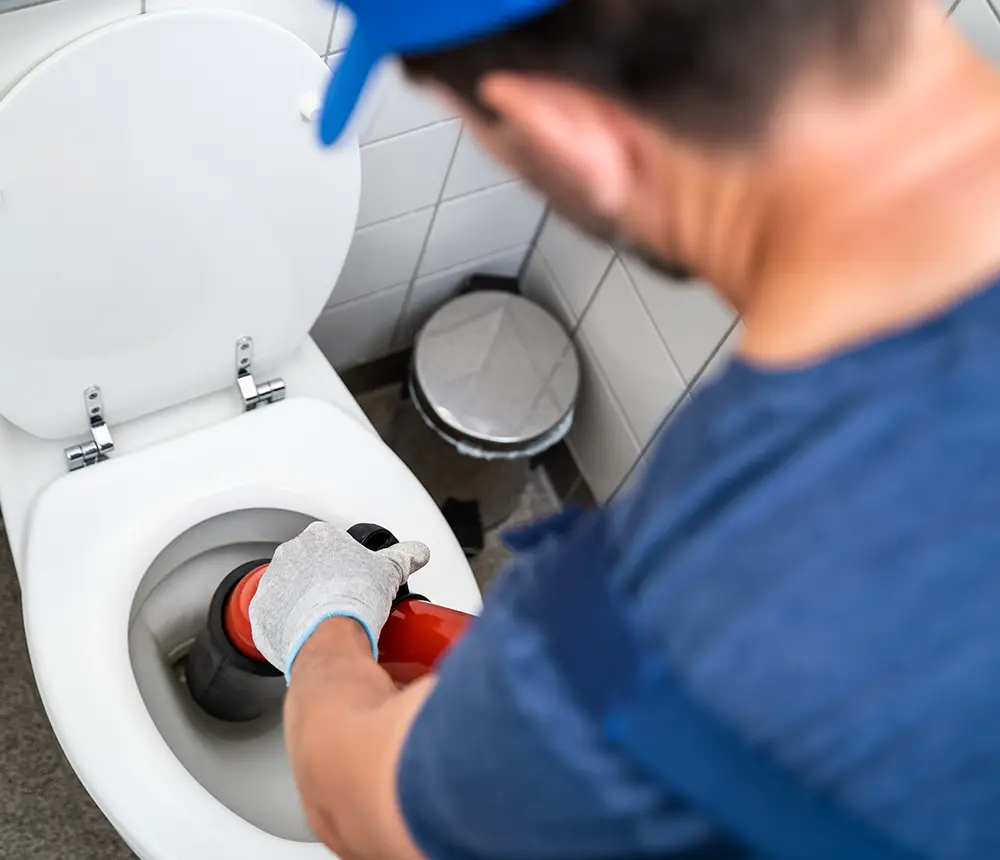
A properly fitted toilet plunger may create the pressure and suction needed to move a soft obstruction through the toilet trap or nearby drain.
Closet Auger
A closet auger is designed to pass through a toilet trap and may break through or retrieve qualifying obstructions while helping protect the porcelain from contact with the cable.
Toilet Removal
If an object is lodged in the toilet or the drain cannot be reached through the bowl, the plumber may recommend removing and reinstalling the toilet. A new seal and other installation materials may be required.
Mechanical Drain Cabling
When the blockage is beyond the toilet, mechanical cabling may be performed through the toilet opening after removal or through an accessible drain cleanout.
Sewer Camera Inspection
A sewer camera inspection may be recommended for repeated backups or suspected pipe damage, roots, offsets, corrosion, or other conditions deeper in the drainage system.
Hydro Jetting
If the toilet clog is related to significant buildup in a larger drain or sewer line, the plumber may recommend hydro jetting after evaluating the pipe and confirming that the method is appropriate.
Not every method is suitable for every toilet or pipe. Older, damaged, corroded, or fragile plumbing may require additional inspection before mechanical equipment or high-pressure cleaning is used.
Common Causes of a Clogged Toilet
Excess Toilet Paper
Large amounts of toilet paper may collect in the toilet trap or drain faster than the water can carry the material away, especially in low-flow or poorly flushing toilets.
Wipes and Hygiene Products
Wipes, paper towels, feminine hygiene products, cotton swabs, and similar items may not break down like toilet paper and can lodge in the toilet or drainage system.
Foreign Objects
Toys, air fresheners, cleaning items, and other objects can become trapped inside the toilet. Some objects require toilet removal for safe retrieval.
Weak or Incomplete Flushing
Low tank water, worn internal parts, mineral buildup, or another fixture problem may reduce flushing performance and contribute to recurring clogs.
Branch Drain or Main Sewer Blockage
When several fixtures are affected, the apparent toilet clog may be a symptom of a blocked branch drain or main sewer line caused by roots, grease, debris, damaged piping, or another obstruction.
Drain Vent or Pipe Problems
Improperly installed, damaged, or deteriorated plumbing may affect drainage. A plumber can assess whether the toilet itself, connected piping, or another system condition requires attention.
Toilet Clog Removal Versus Toilet or Sewer Repair
Clearing a clog removes a qualifying obstruction but does not repair every underlying problem. A damaged toilet, ineffective flushing mechanism, leaking seal, improperly installed drain, or deteriorated sewer pipe may continue to cause trouble after the immediate blockage is cleared.
Depending on the inspection findings, the referred plumber may recommend:
- Professional plunging or closet augering
- Mechanical drain cleaning
- Toilet removal and reinstallation
- Replacement of damaged toilet components
- Toilet replacement
- Sewer camera inspection
- Localized drain or sewer repair
- Sewer pipe lining
- Pipe bursting
- Sewer line repair or replacement
The referred plumber should explain the condition of the toilet and drain, available options, proposed scope, pricing, potential limitations, and warranties before additional work begins.
What Can Affect Clogged Toilet Service Pricing?
Clogged toilet service does not have one standard price. Service pricing may be affected by:
- Time of day and day of the week
- Holiday or after-hours service
- Type and location of the obstruction
- Whether one or several fixtures are affected
- Plunging, closet augering, or mechanical cabling
- Toilet removal and reinstallation
- Cleanout access and drain configuration
- Camera inspection or diagnostic testing
- Toilet type, age, condition, and accessibility
- Residential or commercial property requirements
- Cleanup or contaminated-water conditions
- Additional repairs discovered during service
The referred plumber should explain applicable dispatch, diagnostic, minimum-service, after-hours, equipment, fixture-removal, and cleaning charges before you authorize service.
Get A Plumber Now does not establish clogged toilet service prices or provide estimates. Estimates, invoices, deposits, payment terms, warranties, and authorized services are handled directly by the referred plumber.
Preventing Future Toilet Clogs
Not every blockage can be prevented, but proper toilet use and timely maintenance may help reduce recurring problems.
- Flush only human waste and toilet paper
- Keep wipes, paper towels, and hygiene products out of the toilet
- Use reasonable amounts of toilet paper
- Flush more than once when necessary instead of overloading the bowl
- Keep small objects away from open toilet bowls
- Use a lid lock when appropriate for young children
- Repair weak-flushing or continuously running toilets
- Address recurring clogs instead of repeatedly forcing them through
- Consider a camera inspection when multiple fixtures repeatedly back up
- Follow the referred plumber’s maintenance recommendations
Repeated toilet clogs may indicate a fixture, drain, or sewer problem that routine plunging cannot permanently correct.
Why Request Clogged Toilet Service Through Get A Plumber Now?
- Request help for residential or commercial toilet clogs
- Describe an overflowing, slow-draining, or blocked toilet
- Request a referral to an independent plumber serving your area
- Discuss routine, emergency, and after-hours availability
- Request an inspection and project-specific estimate
- Review clog-removal and possible repair options
Get A Plumber Now is a plumbing referral and connection service. The referred plumber is responsible for inspecting the toilet and drain, identifying the likely cause of the blockage, confirming licensing and insurance, providing pricing, explaining service limitations and warranties, and performing all authorized work.
Straight answers
Frequently asked questions
About Clogged Toilet Service
- What are the most common causes of a clogged toilet?The most common causes include excessive toilet paper, non-flushable wipes, paper towels, feminine hygiene products, cotton swabs, diapers, and small objects accidentally dropped into the bowl. Recurring clogs may indicate a deeper obstruction, poor toilet performance, blocked plumbing vent, or problem in the main sewer line.
- How can I unclog a toilet without a plunger?Pour a generous amount of dish soap into the bowl, followed by hot—but not boiling—water. Let the mixture sit for 15–30 minutes, then try flushing once. The soap may lubricate the blockage while the warm water helps soften it. Do not keep flushing if the water level rises, as this could cause an overflow.
- What type of plunger works best for a clogged toilet?A flange plunger is usually the best choice. Unlike a flat sink plunger, it has an extended rubber flap designed to fit inside the toilet drain and create a tight seal. Make sure the plunger cup is covered with water, then use controlled, forceful strokes for about 20–30 seconds before testing the flush.
- Why does my toilet keep clogging?Frequent clogs may result from flushing too much material, using excessive toilet paper, or having an older low-flow toilet with weak flushing power. Other possible causes include a partially blocked drain, mineral buildup, restricted plumbing vent, tree-root intrusion, or damaged sewer pipe. Repeated clogs should be inspected by a plumber.
- Can I use chemical drain cleaner in a clogged toilet?Chemical drain cleaners are generally not recommended for toilets. They may damage porcelain, seals, pipes, or septic systems, and can leave hazardous chemicals in the bowl. If plunging does not work, use a toilet auger designed for porcelain fixtures or contact a licensed plumber.
- How do I prevent a clogged toilet from overflowing?Remove the toilet tank lid and push the flapper closed to stop more water from entering the bowl. You can also turn the shutoff valve behind the toilet clockwise. Do not flush again until the blockage has been cleared and the bowl’s water level has returned to normal.
- What should never be flushed down a toilet?Only human waste and toilet paper should be flushed. Avoid flushing wipes—even those labeled “flushable”—along with paper towels, tissues, feminine hygiene products, diapers, dental floss, cotton products, hair, grease, medications, cat litter, and food. These materials can collect inside pipes and create stubborn blockages.
- When should I call a plumber for a clogged toilet?Call a plumber if plunging and a toilet auger do not clear the blockage, the toilet repeatedly clogs, or water backs up into another fixture. You should also seek professional help if several drains are slow, you hear persistent gurgling, notice sewage odors, or see wastewater emerging from a shower or floor drain.
- Can a clogged toilet be a sign of a sewer-line problem?Yes. A single clogged toilet is often a localized issue, but multiple slow or backed-up fixtures may indicate a main sewer-line obstruction. Warning signs include gurgling drains, sewage odors, water backing up in the bathtub when the toilet is flushed, and wastewater near a floor drain or sewer cleanout.
- How can I prevent future toilet clogs?Use moderate amounts of toilet paper and flush more than once when necessary. Keep non-flushable items away from the toilet, supervise young children, and place a wastebasket nearby. Address weak flushing or slow drainage promptly. If clogs continue despite careful use, schedule a plumbing inspection to identify the underlying problem.
Request Clogged Toilet Assistance
If you have an overflowing toilet, a bowl that will not drain, a recurring clog, a suspected foreign object, or other fixtures backing up, provide information about the property, affected toilet, symptoms, location, and urgency.
Get A Plumber Now will refer you to an independent plumber who can discuss availability, evaluate the toilet and drainage problem, recommend possible solutions, and provide project-specific pricing.
-

-
Request Clogged Toilet Service
Click the button below to request assistance. Get A Plumber Now will refer you to an independent plumber who can discuss the toilet problem, review service availability, and arrange an inspection. Response times and service availability vary by location, time, urgency, requested service, and referred plumber.
Request Clogged Toilet Service
Provide a few details about your clogged or overflowing toilet.