Recurring Sewer Backups or Slow Drains?
If you are dealing with recurring sewer backups, multiple slow drains, foul odors, gurgling fixtures, or suspected tree-root intrusion, a sewer camera inspection may help identify the source of the problem without excavating the entire pipe.
Get A Plumber Now helps homeowners, businesses, landlords, property managers, and prospective property buyers request assistance from participating plumbing professionals who may provide sewer and drain camera inspections. After reviewing the video findings, the plumbing professional can discuss whether cleaning, repair, pipe lining, pipe bursting, or complete sewer line replacement should be considered.
Service availability, inspection methods, licensing, pricing, scheduling, video delivery, warranties, and repair recommendations are determined by the plumbing professional serving your area.
What Is a Sewer Camera Inspection?
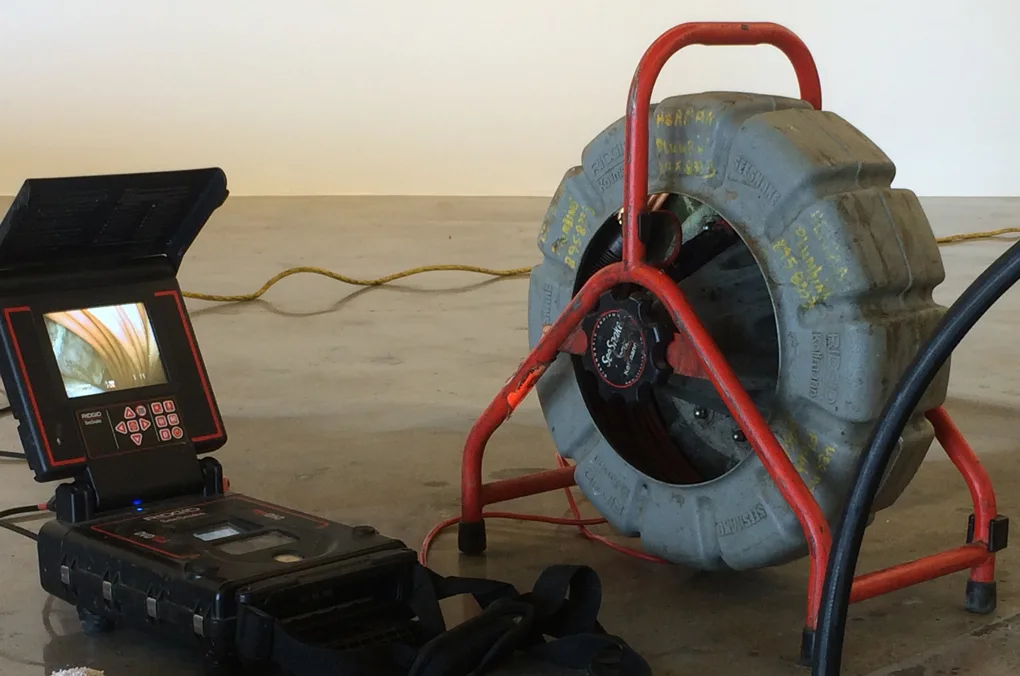
A sewer camera inspection is a diagnostic service used to examine the accessible interior of sewer and drain pipes. A waterproof camera attached to a flexible cable is guided through an appropriate access point while the plumbing professional views the pipe on a monitor.
The camera may help identify visible damage, obstructions, deterioration, and other conditions inside the accessible portion of the sewer line. This can provide useful information before drain cleaning, sewer repair, trenchless rehabilitation, or pipe replacement begins.
A camera inspection may be helpful when a property has:
- Recurring sewer backups
- Multiple slow or clogged drains
- Gurgling toilets, sinks, or floor drains
- Persistent sewer odors
- Repeated drain-cleaning service calls
- Suspected tree-root intrusion
- An older or previously repaired sewer line
- Possible pipe damage beneath landscaping or paved areas
What Can a Sewer Camera Inspection Find?
Depending on visibility, pipe access, water levels, and existing conditions, a sewer camera inspection may reveal:
- Minor or extensive pipe cracks
- Grease, debris, scale, and other blockages
- Tree-root intrusion
- Broken, separated, or collapsed pipe sections
- Pipe corrosion and deterioration
- Low or bellied sections of sewer pipe
- Offset or misaligned pipe connections
- Foreign objects inside the pipe
- Previous repairs or changes in pipe material
- Locations requiring additional evaluation
A sewer camera shows visible conditions inside accessible pipes, but it does not automatically establish the full cause, exact severity, or cost of every plumbing problem. Additional locating, cleaning, pressure testing, excavation, or other diagnostic work may sometimes be required.
How a Sewer Camera Inspection Works
1. Review of the Plumbing Problem
The plumbing professional discusses the symptoms, affected fixtures, previous repairs, backup history, property type, and any known sewer-line concerns.
2. Locating an Appropriate Access Point
The camera may be inserted through a sewer cleanout, removed fixture, drain opening, or another accessible entry point. Accessibility and pipe conditions can affect how much of the system can be inspected.
3. Video Inspection
The camera is guided through the accessible pipe while the plumbing professional monitors the interior condition. Standing water, severe blockages, pipe collapse, or limited access may prevent the camera from reaching the entire line.
4. Identifying Visible Problems
The plumbing professional may document visible roots, blockages, cracks, corrosion, offsets, separated joints, low sections, or damaged pipe areas.
5. Reviewing the Findings
After the inspection, the plumbing professional can explain the visible conditions and discuss whether additional diagnostics, cleaning, repair, or replacement should be considered.
Possible Next Steps After the Inspection
The appropriate next step depends on what the camera inspection reveals. Possible recommendations may include:
- Drain or sewer cleaning: Used when grease, debris, roots, scale, or another obstruction restricts wastewater flow.
- Hydro jetting: High-pressure water may be used to clean qualifying drain or sewer pipes.
- Localized pipe repair: A damaged section may be repaired when the problem is limited and accessible.
- Sewer pipe lining: Certain damaged pipes may qualify for a liner installed inside the existing pipe.
- Pipe bursting: A damaged pipe may be broken apart while a replacement pipe is pulled along the existing route.
- Sewer line repair or replacement: Extensive damage, collapse, deterioration, or improper alignment may require partial or complete replacement.
A plumbing professional should explain the inspection findings, recommended work, alternatives, pricing, permits, restoration responsibilities, and warranty terms before repairs begin.
Sewer Camera Inspections for Property Buyers
A standard home inspection may not include a detailed examination of the underground sewer lateral. Prospective buyers may choose to request a separate sewer camera inspection, particularly when considering an older property, a property with mature trees, or a building with a history of drain or sewer problems.
A pre-purchase sewer inspection may reveal visible conditions such as roots, pipe deterioration, separations, low sections, blockages, or previous repairs. However, camera visibility and pipe access may be limited, and an inspection cannot guarantee that every defect or future problem will be identified.
Buyers should review the findings with the plumbing professional and appropriate real-estate advisers before making repair requests or property decisions.
Sewer Camera Inspection Versus Leak Detection
Sewer camera inspection and leak detection are different diagnostic services.
Sewer Camera Inspection
A sewer camera visually examines the accessible interior of drain and sewer pipes. It may help locate blockages, roots, cracks, pipe separation, deterioration, and other visible conditions.
Plumbing Leak Detection
Leak detection is used to investigate water escaping from pressurized supply lines, pipes behind walls, pipes beneath slabs, underground water lines, fixtures, or other plumbing components.
A plumbing professional can determine which diagnostic service is appropriate based on the symptoms affecting the property. Some plumbing problems may require both services or additional testing.
What Affects Sewer Camera Inspection Pricing?
The cost of a sewer camera inspection may vary based on:
- Property type and location
- Pipe length, diameter, and accessibility
- Availability and condition of sewer cleanouts
- Severity of the blockage or backup
- Whether drain cleaning is required before inspection
- Whether electronic pipe locating is included
- Whether recorded video or a written report is requested
- Emergency or after-hours service requirements
- Additional diagnostic testing
Before authorizing service, ask the plumbing professional what the inspection includes, whether video or documentation will be provided, and whether additional fees may apply.
Why Request a Sewer Camera Inspection Through Get A Plumber Now?
- Request assistance from participating plumbing professionals
- Submit residential or commercial sewer-inspection needs
- Describe recurring backups, slow drains, or sewer odors
- Request information about camera and pipe-locating services
- Discuss possible repair or cleaning options after inspection
- Review availability in participating service areas
Get A Plumber Now is a plumbing connection service. The plumbing professional responding to your request is responsible for determining which inspection methods are appropriate, confirming licensing and insurance, providing pricing, explaining the findings, recommending possible solutions, and completing any authorized work.
Straight answers
Frequently asked questions
About Sewer Camera Inspection
- When should I schedule a sewer camera inspection?A sewer camera inspection is recommended if you're experiencing recurring drain clogs, slow drains throughout the home, frequent sewer backups, foul odors, unexplained wet spots in the yard, or before purchasing an older home. It can also be useful after major plumbing repairs to verify the condition of the sewer line and identify any remaining issues.
- Can a sewer camera inspection detect tree root intrusion?Yes. A sewer camera inspection is one of the most effective ways to identify tree roots growing inside a sewer line. The camera can reveal where roots have entered the pipe, how severe the blockage is, and whether sewer cleaning, trenchless repair, or pipe replacement may be the most appropriate solution.
- Do sewer camera inspections require digging?In most cases, no. A sewer camera inspection is a non-invasive procedure that typically uses an existing cleanout or other plumbing access point to insert the camera into the sewer line. This allows the condition of the pipe to be evaluated without excavating your yard, driveway, or landscaping.
- How long does a sewer camera inspection usually take?Most residential sewer camera inspections take approximately 30 minutes to one hour, depending on the length of the sewer line, the accessibility of the plumbing system, and whether any significant blockages or damage are discovered during the inspection. Additional time may be needed if further testing or cleaning is recommended.
- Can a sewer camera inspection help prevent costly plumbing repairs?Yes. Identifying small problems early can help prevent them from developing into major sewer failures. A camera inspection can detect developing cracks, root intrusion, corrosion, pipe misalignment, and other issues before they result in severe backups, property damage, or expensive emergency sewer repairs.
- Can surveillance cameras see through walls?There are currently no surveillance cameras that can see through walls. However, there are technologies such as ultrasonic imaging that can detect objects behind walls. Ultrasonic imaging uses high-frequency sound waves to create images of objects that are hidden from view.
- What does a sewer camera do at a clog?With a camera attached to the end of a cable, sewer camera inspections can travel through pipes and capture photographs of the interior of your sewer. While this operation is taking place, a monitor located at ground level allows the plumber to watch what the camera sees and identify any underlying sewer issues.
- How does inspection camera work?An inspection camera, sometimes referred to as a snake camera, is a digital camera designed to be small and flexible enough to slide into narrow or otherwise inaccessible spaces. These instruments' main purpose is to serve as an exploratory camera.
- Can a sewer camera go down the toilet?The camera and cable are slowly pushed down the drain line or sewer line. The plumber watches on the monitor to determine if there is a problem. The plumber can use the camera to inspect drain lines from the shower, bathtub, sinks, and toilets.
- What can I expect from a sewer camera inspection?It's much less invasive than the old “dig up the whole lawn” method! These camera inspections gradually traverse your entire sewer line without causing a big mess up above. An inspection identifies the exact area of the piping problem, whether it's a crack, a loose joint, or any other unforeseen trouble.
Request a Sewer Camera Inspection
If your property has recurring sewer backups, multiple slow drains, persistent odors, or suspected underground pipe damage, describe the problem, property type, affected fixtures, location, and urgency. Get A Plumber Now will help connect you with a participating plumbing professional who can discuss inspection availability and possible next steps.
-

-
Request Sewer Camera Inspection Assistance
Click the button below to request assistance. Get A Plumber Now will help connect you with a participating plumbing professional who can discuss the sewer problem, review inspection availability, explain the findings, and provide project-specific pricing. Response times and scheduling vary by location, urgency, service requirements, and participating professional availability.
Provide a few details about your sewer or drain problem.