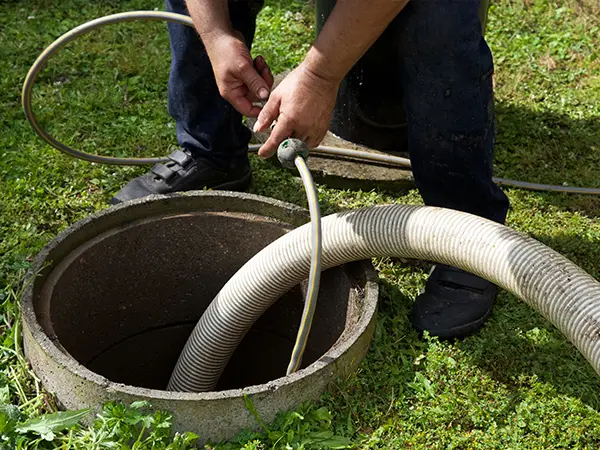
Professional Sewer Cleaning & Repair
A blocked, damaged, or deteriorated sewer line can cause slow drains, wastewater backups, sewage odors, unsanitary conditions, and property damage. Professional service may be needed to locate the problem, clean qualifying obstructions, and repair or replace damaged piping.
Get A Plumber Now helps homeowners, businesses, landlords, and property managers request sewer cleaning and repair from referred independent plumbers. Service availability, response times, inspections, pricing, equipment, permits, warranties, and scheduling are determined by the plumber serving your area.
Get A Plumber Now does not inspect sewers, diagnose blockages, prepare estimates, operate cleaning equipment, or perform repair work. The referred plumber is responsible for evaluating the system, recommending cleaning or repair options, providing pricing, and performing any work you authorize.
What Is Sewer Cleaning & Repair?
Sewer cleaning and repair includes services used to restore flow through qualifying sewer lines and correct damaged, deteriorated, misaligned, or failed piping. Cleaning removes suitable obstructions and buildup, while repair addresses structural problems that cleaning cannot correct.
Professional sewer service may be requested for:
- Recurring main sewer-line blockages
- Wastewater backing up into tubs, showers, toilets, or floor drains
- Several slow or clogged fixtures at the same time
- Grease, sludge, debris, scale, or root intrusion
- Cracked, corroded, offset, separated, or collapsed sewer pipe
- Broken or inaccessible sewer cleanouts
- Leaks, wet areas, sinkholes, or sewage odors outside
- Preventive cleaning for qualifying commercial sewer lines
- Residential or commercial sewer-system problems
The appropriate service depends on the symptoms, blockage type, pipe material, diameter, age, depth, condition, access, property layout, local requirements, and findings from a sewer camera inspection or other evaluation.
Signs You May Need Sewer Cleaning or Repair
A single slow fixture may involve a localized drain. When multiple fixtures are affected or problems repeatedly return after cleaning, the building sewer or lateral may require professional inspection.
Consider requesting professional assistance when you notice:
- Wastewater backing up through a shower, tub, toilet, or floor drain
- Several fixtures draining slowly at the same time
- Water rising in one fixture when another is used
- Gurgling sounds from toilets or multiple drains
- Persistent sewage odors inside or outside the property
- Recurring blockages after previous drain cleaning
- Unusually green, wet, or sunken areas above a buried sewer line
- Sewage appearing around an exterior cleanout
- Known roots, corrosion, offsets, or pipe damage
- Foundation or landscape changes near the sewer route
- A commercial sewer problem affecting operations
A referred plumber can evaluate whether the problem involves a removable obstruction, heavy buildup, root intrusion, damaged pipe, improper slope, a municipal sewer condition, or another drainage-system issue.
What to Do During a Sewer Backup
A few immediate precautions may help limit wastewater overflow, contamination, and property damage while you arrange professional service.
- Stop using toilets, sinks, showers, tubs, and water-using appliances
- Keep children and pets away from wastewater
- Avoid contact with sewage and contaminated materials
- Do not touch standing water near electrical outlets or equipment
- Move belongings away from the affected area when safe
- Do not open a sewer cleanout that may be under pressure
- Do not mix chemical drain cleaners or other products
- Tell the referred plumber about chemicals or tools already used
- Document visible damage when appropriate
- Arrange professional cleanup and drying when contamination occurs
Wastewater may contain harmful contaminants. If sewage is near electricity, avoid entering the area and contact the appropriate emergency service or utility provider.
How Sewer Cleaning & Repair Works
1. Describe the Sewer Problem
Explain which fixtures are affected, when symptoms began, whether sewage is overflowing, and whether the property has a history of blockages, roots, cleaning, or sewer repairs.
2. Sewer-System Assessment
The referred plumber evaluates the symptoms, accessible drains, cleanouts, property layout, visible conditions, and available information about the sewer route and pipe material.
3. Inspection and Service Recommendation
The plumber may recommend mechanical cleaning, hydro jetting, sewer camera inspection, location services, spot repair, trenchless rehabilitation, excavation, or another appropriate method.
4. Project-Specific Pricing
The referred plumber explains the proposed service and associated charges. Ask about diagnostics, equipment, access, permits, excavation, cleanup, testing, restoration, and warranties before authorizing work.
5. Authorized Cleaning or Repair
After receiving your approval, the plumber performs the agreed sewer cleaning, repair, rehabilitation, or replacement service within the authorized scope.
6. Final Evaluation and Recommendations
The plumber may test drainage or perform follow-up camera inspection, then explain the results, remaining limitations, maintenance recommendations, and any additional work that may be needed.
Sewer Cleaning & Repair Services
Sewer service methods vary based on the obstruction, pipe material, structural condition, depth, route, access, property use, and local requirements.
Mechanical Sewer Cleaning
A rotating cable with a suitable cutting or retrieval attachment may break through or remove qualifying roots, debris, and obstructions from accessible sewer lines.
Hydro Jetting
Hydro jetting uses controlled high-pressure water to remove qualifying grease, sludge, scale, debris, and certain root intrusions from structurally suitable pipes.
Sewer Camera Inspection
A sewer camera inspection may help locate roots, buildup, corrosion, cracks, offsets, bellies, separated joints, foreign objects, or collapsed sections.
Localized Sewer Repair
Spot repair may replace or correct a limited damaged section when the remaining pipe is considered serviceable and the location is accessible.
Trenchless Sewer Repair
Qualifying pipes may be rehabilitated or replaced through sewer pipe lining or pipe bursting, depending on pipe condition, access, layout, and local approval.
Excavated Sewer Replacement
Traditional excavation may be required for collapsed, severely misaligned, inaccessible, or unsuitable piping, or when trenchless methods cannot meet the project requirements.
Not every method is suitable for every sewer line. The plumber should evaluate the pipe and explain expected results, limitations, access needs, and restoration responsibilities.
Common Sewer Line Problems
Root Intrusion
Roots may enter through cracks, joints, or damaged connections and restrict flow. Cleaning may remove roots temporarily, but repair may be needed to address the opening.
Grease, Sludge, and Debris
Grease, waste, sediment, wipes, and other materials may accumulate inside the line. Mechanical cleaning or hydro jetting may be recommended for qualifying obstructions.
Cracked or Corroded Pipe
Age, soil conditions, material deterioration, corrosion, or loading may weaken sewer pipe and allow leaks, roots, soil, or groundwater to enter.
Offset or Separated Joints
Ground movement, settlement, installation problems, or deterioration may shift pipe connections and create ledges, gaps, leaks, or recurring blockage points.
Bellied or Improperly Sloped Pipe
A low section can hold wastewater and solids, contributing to repeated blockages. Cleaning does not correct the pipe’s grade.
Collapsed Sewer Line
A fully or partially collapsed pipe can severely restrict flow and may prevent cleaning equipment or cameras from passing. Repair or replacement is generally required.
Sewer Cleaning Versus Sewer Repair
Sewer cleaning removes qualifying obstructions and buildup but does not correct cracks, collapses, severe corrosion, bellies, offsets, separated joints, or improper slope. Repair addresses structural defects that cause leakage, repeated blockages, or loss of pipe function.
Depending on the inspection findings, the referred plumber may recommend:
- Mechanical sewer cleaning
- Hydro jetting
- Sewer camera inspection and location
- Cleanout installation or replacement
- Localized sewer repair
- Root removal and ongoing monitoring
- Sewer pipe lining
- Pipe bursting
- Excavated sewer replacement
- Sewer line repair or replacement
The referred plumber should explain the sewer condition, available options, proposed scope, pricing, potential limitations, access and restoration needs, permits, and warranties before work begins.
What Can Affect Sewer Cleaning & Repair Pricing?
Sewer cleaning and repair does not have one standard price. Service pricing may be affected by:
- Cleaning, inspection, repair, rehabilitation, or replacement
- Location and severity of the blockage or damage
- Pipe length, diameter, material, age, depth, and condition
- Available cleanout and equipment access
- Roots, grease, scale, debris, or structural failure
- Mechanical cleaning or hydro jetting requirements
- Camera inspection and sewer location services
- Trenchless or excavated repair method
- Permits, inspections, and utility coordination
- Concrete, landscaping, flooring, or other restoration
- Emergency, holiday, or after-hours service
- Additional problems discovered during service
The referred plumber should explain applicable dispatch, diagnostic, inspection, equipment, labor, material, permit, excavation, cleanup, and restoration charges before you authorize service.
Get A Plumber Now does not establish sewer service prices or provide estimates. Estimates, contracts, deposits, payment terms, warranties, permits, inspections, and authorized services are handled directly by the referred plumber.
Preventing Future Sewer Problems
Not every sewer problem can be prevented, but proper use and timely maintenance may help reduce buildup, backups, and avoidable damage.
- Keep grease, oil, and fat out of drains
- Flush only human waste and toilet paper
- Do not flush wipes, paper towels, or hygiene products
- Use drain strainers to catch food, hair, and debris
- Maintain grease traps and interceptors as required
- Address slow drains and recurring clogs promptly
- Avoid planting aggressive roots near known sewer routes
- Do not drive heavy equipment over shallow sewer lines
- Consider camera inspection after repeated backups
- Follow the referred plumber’s maintenance recommendations
Recurring backups after professional cleaning may indicate structural pipe damage or another condition that routine cleaning cannot permanently correct.
Why Request Sewer Service Through Get A Plumber Now?
- Request residential or commercial sewer assistance
- Describe backups, odors, recurring clogs, roots, or known damage
- Request a referral to an independent plumber serving your area
- Discuss routine, emergency, and after-hours availability
- Request an inspection and project-specific estimate
- Review cleaning, repair, trenchless, and replacement options
Get A Plumber Now is a plumbing referral and connection service. The referred plumber is responsible for inspecting the sewer system, identifying the likely problem, confirming licensing and insurance, providing pricing, explaining service limitations and warranties, and performing all authorized work.
Straight answers
Frequently asked questions
About Sewer Cleaning & Repair
- What are the signs of a clogged or damaged sewer line?Common warning signs include several slow drains, recurring clogs, gurgling toilets, sewage odors, and wastewater backing up into tubs, showers, or floor drains. Wet areas, unusually green grass, or depressions in the yard may indicate a leaking or broken underground sewer line.
- What causes sewer-line blockages?Sewer blockages may result from grease, wipes, paper products, sludge, mineral buildup, foreign objects, or tree roots. Broken, corroded, misaligned, or collapsed pipes can also restrict wastewater flow and repeatedly collect debris.
- How are sewer lines cleaned?Depending on the blockage, a professional may use a mechanical sewer cable or hydro jetting equipment. Cabling breaks through localized obstructions, while hydro jetting uses high-pressure water to remove grease, sludge, scale, roots, and buildup from the pipe’s interior walls.
- When is a sewer-camera inspection needed?A camera inspection may be recommended for recurring blockages, suspected pipe damage, root intrusion, or unexplained backups. The camera helps locate the problem and evaluate the pipe’s condition so the appropriate cleaning or repair method can be selected.
- Can tree roots be removed from a sewer line?Mechanical cutters or hydro jetting may remove roots from inside the pipe. However, cleaning does not repair the cracks or failed joints that allowed the roots to enter. Damaged sections may require spot repair, pipe lining, pipe bursting, or conventional replacement to prevent the problem from returning.
- Does a clogged sewer line always need repair?No. A line in good structural condition may only need professional cleaning. Repair becomes necessary when inspection reveals cracks, corrosion, separated joints, sagging sections, significant root damage, or partial collapse. An accurate diagnosis helps avoid unnecessary excavation or replacement.
- What sewer-line repair options are available?Repair options may include targeted excavation, traditional pipe replacement, trenchless pipe lining, or pipe bursting. The best method depends on the pipe’s material, condition, depth, location, and extent of damage, as well as property access and local code requirements.
- How long does sewer cleaning or repair take?Routine sewer cleaning may take one to several hours. A localized repair may take a day, while extensive replacement can require several days. Inspection results, excavation needs, permits, pipe depth, and site accessibility all affect the schedule.
- Is a sewer backup an emergency?Yes. Sewage may contain harmful bacteria, viruses, and other contaminants. Avoid contact with wastewater, keep people and pets away, stop using plumbing fixtures, and contact a professional promptly. Significant contamination may also require specialized cleaning and sanitation.
- How can I help prevent future sewer problems?Do not pour grease down drains or flush wipes, paper towels, hygiene products, diapers, or other non-flushable materials. Address slow drains promptly and avoid planting aggressive-root trees near sewer lines. Properties with recurring problems may benefit from periodic camera inspections and preventive cleaning.
Request Sewer Cleaning or Repair
If you have a sewer backup, multiple slow drains, sewage odors, recurring blockages, root intrusion, or known pipe damage, provide information about the property, affected fixtures, symptoms, previous service, location, and urgency.
Get A Plumber Now will refer you to an independent plumber who can discuss availability, evaluate the sewer system, recommend possible cleaning or repair options, and provide project-specific pricing.
-

-
Request Sewer Cleaning or Repair
Click the button below to request assistance. Get A Plumber Now will refer you to an independent plumber who can discuss the sewer problem, review service availability, and arrange an inspection. Response times and service availability vary by location, time, urgency, requested service, and referred plumber.
Request Sewer Cleaning or Repair
Provide a few details about your sewer cleaning or repair needs.