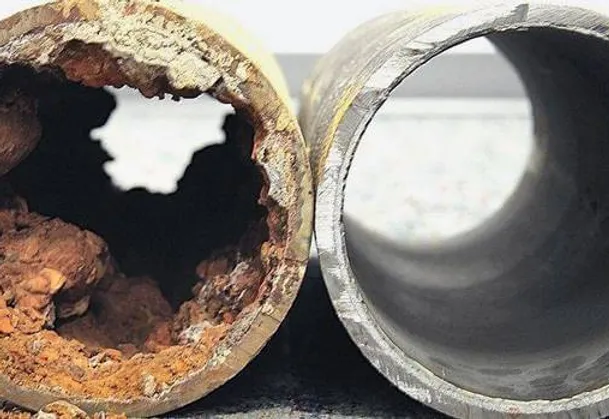
Professional Drain and Sewer Pipe Descaling
Over time, drain and sewer pipes may accumulate rust, corrosion, mineral deposits, grease, soap residue, sediment, and other hardened material. This buildup can reduce the usable pipe diameter, restrict wastewater flow, trap debris, and contribute to recurring drain or sewer problems.
Pipe descaling is a specialized cleaning process used to remove hardened buildup from the accessible interior of qualifying pipes. It is commonly considered for older cast iron drain and sewer lines but may also be used for other suitable plumbing systems.
Get A Plumber Now helps homeowners, businesses, landlords, and property managers request assistance from participating plumbing professionals who may provide pipe inspection, descaling, cleaning, and related sewer services.
Service availability, inspection methods, equipment, licensing, insurance, pricing, scheduling, warranties, and cleaning recommendations are determined by the plumbing professional serving your area.
What Is Pipe Scale?
Pipe scale refers to hardened deposits or rough buildup that forms along the interior walls of plumbing, drain, and sewer pipes. Cast iron pipes are particularly susceptible to corrosion and scaling as they age.
Material contributing to pipe buildup may include:
- Rust and corrosion
- Mineral deposits
- Grease and cooking oils
- Soap residue and sludge
- Hair and organic material
- Sand, soil, and sediment
- Food particles and waste
- Construction debris and foreign objects
As the interior surface becomes rougher, waste and debris may collect more easily. In heavily scaled pipes, the restricted opening may contribute to slow drainage, recurring clogs, or backups.
Signs That Pipes May Need Descaling
Possible signs of pipe scale or interior buildup include:
- Recurring drain clogs
- Slow wastewater drainage
- Backups affecting multiple fixtures
- Frequent drain-cleaning appointments
- Gurgling toilets, sinks, or floor drains
- Persistent sewer or drain odors
- Reduced interior pipe diameter visible during an inspection
- Rust, scale, or rough surfaces inside cast iron pipes
- Drain lines that repeatedly collect debris
- Problems preparing an older pipe for lining
These symptoms can also be caused by roots, foreign objects, damaged pipes, improper slope, low sections, or other plumbing conditions. An inspection can help determine whether descaling or another service should be considered.
How Pipe Descaling Works
1. Review of the Plumbing Problem
The plumbing professional reviews the symptoms, affected fixtures, history of backups, previous cleaning attempts, pipe material, and known plumbing conditions.
2. Sewer Camera Inspection
A sewer camera inspection may be performed to identify visible scale, corrosion, roots, debris, cracks, separation, collapse, or other pipe conditions.
3. Pipe and Access Evaluation
The plumbing professional evaluates pipe material, diameter, length, condition, access points, connections, and whether the pipe can safely accommodate the proposed equipment.
4. Selection of a Descaling Method
Based on the inspection findings, the plumbing professional selects appropriate mechanical equipment, cleaning attachments, or other tools.
5. Removal of Scale and Buildup
Specialized equipment is guided through the accessible pipe to break apart or remove corrosion, rust, scale, and other interior buildup. Loose material is then removed or flushed from the system.
6. Final Cleaning and Inspection
After descaling, additional cleaning and a follow-up camera inspection may be performed to evaluate visible results and identify pipe damage previously concealed by buildup.
Pipe Descaling Methods
Mechanical Pipe Descaling
Mechanical descaling equipment uses rotating chains, cutting heads, brushes, or other specialized attachments to remove hardened rust, corrosion, mineral deposits, and buildup from qualifying pipes.
The selected equipment must be appropriate for the pipe material, diameter, condition, and access. Improperly selected or operated tools may damage deteriorated pipes.
Hydro Jetting
Hydro jetting uses controlled high-pressure water to remove grease, sludge, debris, and certain deposits. It may be used independently or following mechanical descaling to help remove loosened material.
Combination Cleaning
Some pipes may require mechanical descaling followed by water cleaning or hydro jetting. The plumbing professional should select a process based on the buildup and visible pipe condition.
Pipe Descaling Versus Hydro Jetting
Pipe Descaling
Pipe descaling generally focuses on hardened rust, corrosion, mineral deposits, and scale attached to the interior of the pipe. Mechanical equipment may be needed to break apart this material.
Hydro Jetting
Hydro jetting uses pressurized water to remove grease, sludge, debris, and certain softer or loosened deposits from accessible pipe walls.
The services may be used separately or together. A plumbing professional should determine which method is appropriate after evaluating the pipe and type of buildup.
Cast Iron Pipe Descaling
Cast iron drain and sewer pipes may develop corrosion and hardened scale as they age. The interior surface can become rough and irregular, allowing waste and debris to collect more easily.
Professional descaling may remove accessible buildup and provide a clearer view of the underlying pipe. However, descaling does not reverse corrosion or restore missing pipe material.
If cleaning reveals extensive cracks, holes, separation, thinning, collapse, or other structural deterioration, the plumbing professional may recommend:
- Localized pipe repair
- Sewer pipe lining
- Pipe bursting
- Trenchless sewer repair
- Sewer line repair or replacement
Descaling Before Sewer Pipe Lining
Qualifying pipes must generally be cleaned and prepared before a CIPP liner can be installed. Rust, scale, roots, grease, and other material may prevent the liner from fitting properly against the existing pipe.
Descaling may be used to:
- Remove hardened interior buildup
- Create a cleaner pipe surface
- Improve camera visibility
- Help obtain more accurate measurements
- Reveal damage hidden beneath scale
- Prepare a qualifying pipe for lining
Descaling does not guarantee that the pipe will qualify for lining. The final inspection may reveal structural problems requiring another repair or replacement method.
Potential Benefits of Pipe Descaling
When the pipe is suitable and the service is performed correctly, possible benefits include:
- Removal of hardened rust, corrosion, and scale
- Improved wastewater flow through the cleaned section
- Reduced interior roughness that can collect debris
- Better camera visibility during inspection
- Preparation for qualifying pipe-lining projects
- Identification of damage previously covered by buildup
- Removal of material contributing to recurring clogs
Pipe descaling cannot repair cracks, holes, collapse, poor alignment, improper slope, or missing pipe material. It also cannot guarantee that future buildup or clogs will not occur.
When Pipe Descaling May Not Be Appropriate
Another cleaning, repair, or replacement method may be required when a pipe is:
- Completely or extensively collapsed
- Severely cracked, corroded, or deteriorated
- Too fragile for mechanical cleaning equipment
- Severely misaligned or separated
- Blocked by an object that requires another removal method
- Inaccessible with available equipment
- Affected by improper slope or a significant low section
- In need of structural repair rather than cleaning
The plumbing professional should explain any risks and limitations before beginning the descaling process.
Residential Pipe Descaling
Residential pipe descaling may be considered for qualifying older drain and sewer lines affected by rust, corrosion, mineral buildup, recurring clogs, or restricted wastewater flow.
Homeowners should ask whether the proposed service includes:
- Initial camera inspection
- Pipe locating when required
- Mechanical descaling
- Removal or flushing of loosened material
- Hydro jetting when appropriate
- Final camera inspection
- Written repair recommendations
- Separate pricing for additional repairs
Commercial Pipe Descaling
Commercial properties may experience buildup caused by heavy daily use, grease, food waste, minerals, sludge, sediment, and aging pipe materials. Descaling may be considered for qualifying restaurants, apartment buildings, hotels, offices, retail centers, schools, warehouses, and other managed properties.
Commercial service may require coordination with tenants, facility personnel, kitchen staff, business operators, and other contractors. Access, wastewater interruptions, operating schedules, safety procedures, and cleanup responsibilities should be discussed before service begins.
What Affects Pipe Descaling Pricing?
Pipe descaling pricing may be affected by:
- Pipe length, diameter, material, and condition
- Type and severity of the buildup
- Location and accessibility
- Available cleanouts and access points
- Mechanical equipment and attachments required
- Whether hydro jetting is also recommended
- Camera inspections before and after cleaning
- Residential or commercial property requirements
- Emergency or after-hours scheduling
- Additional damage discovered after cleaning
An inspection is generally required before the plumbing professional can recommend a cleaning method and provide project-specific pricing.
Why Request Pipe Descaling Through Get A Plumber Now?
- Request assistance from participating plumbing professionals
- Submit residential or commercial pipe-cleaning needs
- Request information about sewer camera inspections
- Discuss mechanical descaling and hydro jetting
- Request a project-specific inspection and estimate
- Review availability in participating service areas
Get A Plumber Now is a plumbing connection service. The plumbing professional responding to your request is responsible for inspecting the pipe, determining whether descaling is appropriate, selecting the equipment and cleaning method, confirming licensing and insurance, providing pricing, explaining limitations and warranties, and completing any authorized work.
Straight answers
Frequently asked questions
About Pipe Descaling
- What is pipe descaling?Pipe descaling is a professional cleaning process used to remove hardened rust, corrosion, mineral deposits, and other buildup from the accessible interior of qualifying pipes.
- Is pipe descaling only for cast iron pipes?Descaling is commonly used for cast iron drain and sewer lines, but other pipes may develop deposits or buildup. The plumbing professional should determine whether the pipe material and condition are suitable.
- Can pipe descaling repair a damaged pipe?No. Descaling removes interior buildup but does not repair cracks, holes, collapse, separation, improper slope, or structural deterioration.
- Does pipe descaling require a camera inspection?A camera inspection may help identify visible buildup and evaluate pipe condition before cleaning. A final inspection may reveal damage that was previously hidden beneath the scale.
- Can descaling damage old pipes?Fragile or severely deteriorated pipes may be damaged by inappropriate equipment or cleaning methods. The plumbing professional should evaluate the pipe and explain the risks before service begins.
- Is pipe descaling the same as hydro jetting?No. Descaling often uses mechanical equipment to remove hardened scale and corrosion. Hydro jetting uses high-pressure water to remove grease, sludge, debris, and certain deposits. Some projects may use both methods.
- Will descaling permanently prevent clogs?No. Future clogs may occur because of grease, debris, roots, damaged pipes, improper slope, foreign objects, or new buildup. Descaling addresses accessible deposits present at the time of service.
- How long does pipe descaling take?The timeline depends on pipe length, diameter, access, buildup severity, equipment, cleaning method, and whether additional inspections or hydro jetting are required.
- Can a pipe be lined immediately after descaling?Possibly, if the cleaned pipe meets the requirements of the proposed lining system. A final inspection and evaluation are needed to confirm eligibility.
- How often should pipes be descaled?There is no single schedule for every property. Cleaning frequency should be based on pipe condition, material, usage, inspection findings, and the history of recurring problems.
Request Pipe Descaling Assistance
If your property has recurring clogs, restricted wastewater flow, heavily scaled cast iron pipes, or a sewer line being evaluated for lining, provide information about the problem, property type, location, previous cleaning, and urgency. Get A Plumber Now will help connect you with a participating plumbing professional who can discuss inspection and descaling availability.
-

-
Request Pipe Descaling Service
Click the button below to request assistance. Get A Plumber Now will help connect you with a participating plumbing professional who can inspect the pipe, discuss descaling and cleaning options, and provide project-specific pricing. Response times and scheduling vary by location, urgency, service requirements, and participating professional availability.
Request Pipe Descaling Assistance
Provide a few details about your drain or sewer problem.