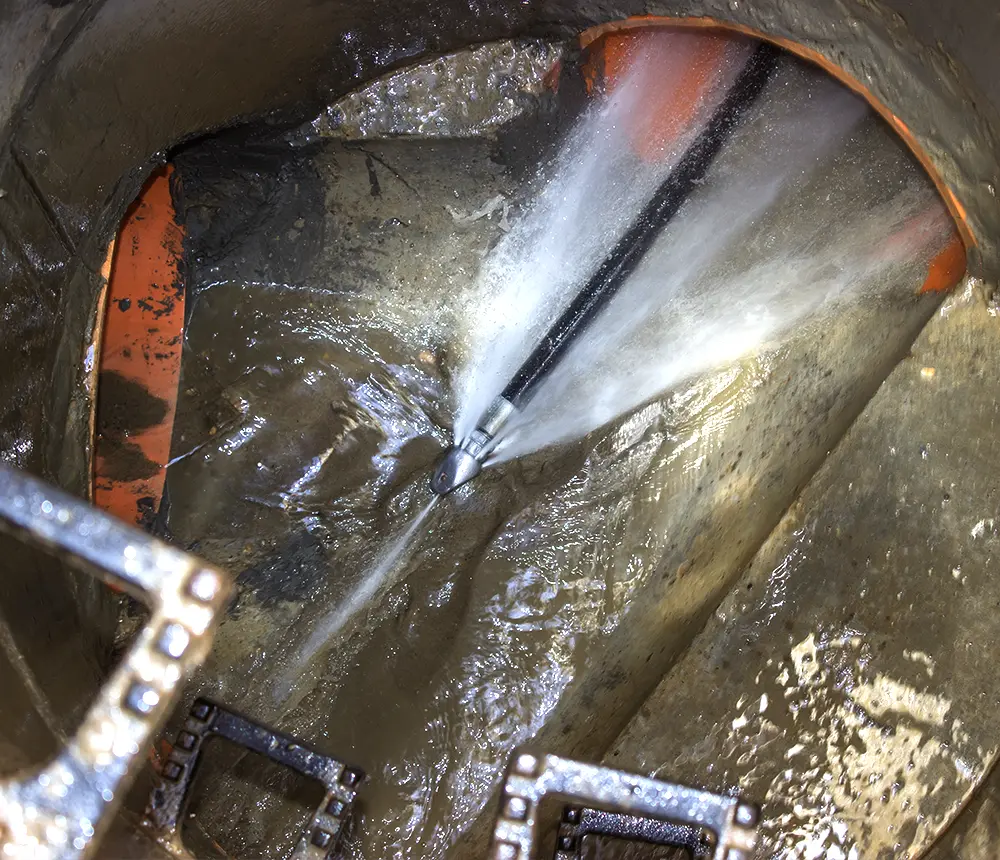
Professional Hydro Jetting for Drain and Sewer Lines
Hydro jetting is a professional pipe-cleaning method that uses controlled high-pressure water to remove grease, sludge, mineral deposits, debris, and certain root intrusions from qualifying drain and sewer lines.
Get A Plumber Now helps homeowners, businesses, landlords, and property managers request assistance from participating plumbing professionals who may provide residential or commercial hydro jetting. Before recommending this service, the plumbing professional should evaluate the blockage, pipe material, condition, accessibility, and other factors affecting the plumbing system.
Service availability, inspection methods, water pressure, equipment, licensing, pricing, scheduling, warranties, and cleaning recommendations are determined by the plumbing professional serving your area.
What Is Hydro Jetting?
Hydro jetting uses specialized equipment to direct high-pressure water through a drain or sewer pipe. Different nozzles and pressure settings may be used to break apart blockages and wash buildup from the interior pipe walls.
Unlike methods that create an opening through a clog without cleaning surrounding buildup, hydro jetting may clean a larger portion of the accessible pipe interior. The effectiveness of the service depends on the obstruction, pipe condition, pipe material, access, equipment, and cleaning method used.
Hydro jetting may help remove:
- Grease and cooking-oil buildup
- Soap residue and sludge
- Food debris
- Mineral deposits and scale
- Hair and organic material
- Sand, silt, and sediment
- Certain tree-root intrusions
- General buildup along accessible pipe walls
Hydro jetting cannot repair a cracked, separated, collapsed, badly corroded, or structurally deteriorated pipe. Additional sewer repair or replacement may be required when the inspection reveals pipe damage.
When Hydro Jetting May Be Appropriate
A plumbing professional may recommend hydro jetting for:
- Recurring drain or sewer clogs
- Slow drainage affecting multiple fixtures
- Repeated sewer backups
- Heavy grease accumulation
- Commercial kitchen drain problems
- Mineral or scale buildup
- Drain lines that have not responded to conventional cleaning
- Certain accessible root intrusions
- Preventive cleaning for qualifying commercial systems
A professional evaluation can help determine whether hydro jetting, mechanical drain cleaning, pipe descaling, localized repair, or another service is appropriate.
When Hydro Jetting May Not Be Recommended
High-pressure cleaning is not appropriate for every plumbing system. A plumbing professional may recommend another method when pipes are:
- Cracked, collapsed, separated, or severely misaligned
- Extensively corroded or deteriorated
- Constructed from fragile or damaged materials
- Unable to withstand the selected water pressure
- Blocked in a way that prevents safe equipment access
- Affected by a condition requiring repair rather than cleaning
The plumbing professional should select the equipment, nozzle, water pressure, and cleaning method based on the pipe material and condition. A sewer camera inspection may be recommended before hydro jetting to evaluate the accessible pipe.
How the Hydro Jetting Process Works
1. Plumbing-System Evaluation
The plumbing professional reviews the symptoms, backup history, affected fixtures, previous drain-cleaning attempts, property type, and available pipe access.
2. Sewer Camera Inspection
A camera inspection may be performed to locate the blockage, evaluate visible pipe conditions, and help determine whether high-pressure cleaning is appropriate. Severe blockages may need to be opened before the camera can pass through the line.
3. Equipment and Pressure Selection
The plumbing professional selects equipment, nozzles, and water-pressure settings based on the pipe diameter, material, condition, obstruction, and cleaning requirements.
4. High-Pressure Pipe Cleaning
The hydro jetting hose is introduced through an appropriate access point. Controlled water jets break apart or loosen buildup while helping move debris through the plumbing system.
5. Final Evaluation
After cleaning, the plumbing professional may test drainage or perform another camera inspection to review visible pipe conditions and identify damage that may have been concealed by buildup.
Potential Benefits of Hydro Jetting
- More complete pipe cleaning: Water jets may remove buildup from a larger portion of the accessible pipe walls.
- Removal of difficult material: Hydro jetting may address grease, sludge, scale, debris, and certain root intrusions.
- No chemical drain cleaner: The cleaning process primarily uses pressurized water rather than chemical drain-cleaning products.
- Residential and commercial applications: Hydro jetting may be used for qualifying residential, multifamily, restaurant, retail, and other commercial plumbing systems.
- Improved drainage: Removing buildup may improve wastewater flow through the cleaned portion of the system.
- Maintenance applications: Scheduled cleaning may be considered for certain properties with recurring buildup or heavy drain usage.
Hydro jetting cannot guarantee that a clog will never return. Recurring problems may indicate damaged pipes, improper slope, low sections, root intrusion, excessive grease disposal, foreign objects, or other underlying conditions requiring additional work.
Hydro Jetting for Preventive Plumbing Maintenance
Some commercial properties and heavily used plumbing systems experience gradual accumulation of grease, food waste, soap residue, scale, sludge, and other material. A plumbing professional may recommend periodic drain or sewer cleaning based on previous blockages, pipe conditions, business operations, and usage.
Restaurants, commercial kitchens, apartment buildings, hospitality properties, and other high-use facilities may benefit from a documented maintenance schedule when recurring buildup is present.
Maintenance frequency should be based on the plumbing system and inspection findings. Hydro jetting should not be performed on a fixed schedule without considering the condition and suitability of the pipes.
Residential Hydro Jetting
Residential hydro jetting may be considered for recurring backups, slow household drains, grease accumulation, accessible root intrusion, or persistent buildup in a main sewer line.
Before authorizing service, homeowners should ask:
- What is causing the blockage?
- Has the pipe been inspected?
- Is the existing pipe suitable for hydro jetting?
- What portion of the plumbing system will be cleaned?
- Is a final camera inspection included?
- Does the pipe need repair or replacement?
- What is included in the quoted price?
Commercial Hydro Jetting
Commercial plumbing systems may experience heavy grease, food waste, sediment, scale, sludge, or other buildup because of frequent daily use. Participating plumbing professionals may offer hydro jetting for qualifying:
- Restaurants and commercial kitchens
- Apartment and multifamily properties
- Hotels and hospitality properties
- Retail and office buildings
- Schools and institutional facilities
- Warehouses and industrial properties
- Other commercial drain and sewer systems
Commercial service may require coordination with property managers, tenants, kitchen staff, facility personnel, or other contractors. Access, operating hours, wastewater control, safety requirements, and business interruptions should be discussed before service begins.
Hydro Jetting Versus Traditional Drain Cleaning
Mechanical Drain Cleaning
A drain snake or mechanical cable may break through or retrieve certain obstructions. It may be appropriate for localized clogs, smaller drain lines, or plumbing systems that are not suitable for high-pressure cleaning.
Hydro Jetting
Hydro jetting uses pressurized water to break apart material and wash buildup from accessible pipe walls. It may be considered when grease, sludge, scale, or recurring accumulation affects a larger section of the pipe.
Neither method is appropriate for every blockage. The plumbing professional should recommend a cleaning method based on the location, pipe condition, obstruction, and access.
Hydro Jetting and Tree Roots
Hydro jetting equipment may remove certain accessible roots from inside a sewer line, but it does not repair the crack, failed joint, or opening that allowed the roots to enter. Roots may return if the underlying pipe damage is not corrected.
If a camera inspection shows extensive root intrusion or structural damage, the plumbing professional may recommend:
- Localized sewer repair
- Sewer pipe lining
- Pipe bursting
- Trenchless sewer repair
- Sewer line repair or replacement
What Affects Hydro Jetting Pricing?
Hydro jetting pricing may vary based on:
- Property type and location
- Drain or sewer pipe length and diameter
- Location and severity of the blockage
- Pipe accessibility and cleanout availability
- Pipe material and condition
- Equipment, nozzles, and water pressure required
- Grease, scale, roots, sludge, or other buildup
- Camera inspections before or after cleaning
- Emergency or after-hours scheduling
- Additional repairs identified during inspection
Ask whether the quoted price includes camera inspection, pipe locating, hydro jetting, cleanup, final testing, and any applicable service charges.
Why Request Hydro Jetting Through Get A Plumber Now?
- Request assistance from participating plumbing professionals
- Submit residential or commercial drain-cleaning needs
- Describe recurring clogs, backups, grease, or root problems
- Request information about camera-inspection availability
- Discuss hydro jetting and alternative cleaning options
- Request project-specific pricing
Get A Plumber Now is a plumbing connection service. The plumbing professional responding to your request is responsible for inspecting the system, determining whether hydro jetting is appropriate, selecting the equipment and pressure, confirming licensing and insurance, providing pricing, explaining warranty terms, and completing any authorized work.
Straight answers
Frequently asked questions
About Hydro Jetting
- Does Get A Plumber Now perform the plumbing work?No. Get A Plumber Now is a plumbing connection service. We help connect homeowners, businesses, landlords, and property managers with participating independent plumbing professionals. The participating professional is responsible for inspecting the property, diagnosing the problem, providing pricing, scheduling the service, and completing any authorized work.
- How quickly will a plumbing professional contact me?Response times depend on your location, plumbing needs, and scheduling availability. You will usually receive a call from a participating plumbing professional within 30 minutes; however, submitting a request does not guarantee immediate service or a specific response time. Please confirm the appointment and expected arrival window directly with the plumbing professional.
- What information should I include with my plumbing request?Describe the plumbing problem, affected fixtures or areas, property type, location, previous repairs, and whether the situation is urgent. Complete and accurate information helps the participating plumbing professional understand your request before contacting you and prepare to discuss the appropriate next steps.
- Is Get A Plumber Now a plumbing contractor?No. Get A Plumber Now is a plumbing connection service. The participating plumbing professional responding to your request is responsible for evaluating the problem, providing pricing, and completing any work you authorize.
- What types of plumbing assistance can I request?You may request assistance with drains, pipes, sewer lines, leaks, water heaters, toilets, faucets, garbage disposals, repiping, gas lines, fixtures, maintenance, remodeling, and other residential or commercial plumbing needs.
- Does submitting a request guarantee service?No. Service depends on your location, the requested work, scheduling, project requirements, and the availability of participating plumbing professionals.
- Who diagnoses the plumbing problem?The participating plumbing professional is responsible for inspecting the property, diagnosing the problem, and recommending possible solutions.
- Who provides the estimate?The participating plumbing professional provides project-specific pricing and explains any warranties that may apply. Before approving service, review the diagnosis, proposed work, labor and material costs, possible additional charges, payment terms, and warranty coverage directly with the professional.
- How quickly will a plumbing professional contact me?Response times vary based on your location, time of request, urgency, service requirements, and participating professional availability. A specific response time cannot be guaranteed.
- Who is responsible for the plumbing work?The independent plumbing professional you hire is responsible for the diagnosis, pricing, scheduling, permits, materials, workmanship, warranties, and services provided. Review and approve these details directly with that professional.
- What types of sinks and faucets can a plumber install?A plumber can install most kitchen, bathroom, bar, laundry, and utility sinks, including undermount, drop-in, pedestal, vessel, farmhouse, and wall-mounted models. Faucet installations may include single-handle, widespread, pull-down, touchless, commercial-style, and water-filter faucets.
- Should I repair or replace a leaking faucet?Repair may be sufficient when the problem involves a worn washer, cartridge, O-ring, aerator, or loose connection. Replacement may be more practical if the faucet is badly corroded, cracked, outdated, difficult to repair, or continuing to leak after previous service.
- Why is my faucet dripping after I turn it off?A dripping faucet commonly results from a worn cartridge, washer, valve seat, seal, or O-ring. High water pressure and mineral buildup may also contribute to the problem. Prompt repair can reduce water waste and help prevent further damage to the fixture.
- Why is the water pressure low at only one faucet?When low pressure affects just one faucet, the cause may be a clogged aerator, mineral buildup, blocked supply line, partially closed shutoff valve, or faulty cartridge. If low pressure affects multiple fixtures, the plumbing system or main water supply may need inspection.
- Can a new faucet be installed on an existing sink?Usually, as long as the faucet matches the sink’s hole configuration and available space. Faucets may require one, two, three, or four mounting holes. Deck plates can sometimes cover unused openings, while additional holes may be necessary for accessories such as a sprayer or soap dispenser.
- Why is my sink leaking underneath?Leaks under a sink may come from supply-line connections, shutoff valves, the faucet base, drain assembly, P-trap, garbage disposal, or sink seal. The source should be identified promptly because even a slow leak can damage cabinets, flooring, and nearby building materials.
- How long does sink or faucet installation take?A straightforward faucet replacement may take one to two hours. Installing a sink can take several hours, depending on the sink style, countertop material, plumbing alignment, and whether the drain, garbage disposal, or supply lines require modification.
- Do I need a plumber to install a new sink or faucet?Professional installation is recommended when plumbing connections must be changed, shutoff valves are damaged, leaks are present, or a sink must be fitted into a new countertop opening. Proper installation helps prevent water damage, drainage problems, and premature fixture failure.
- What causes water to leak around the base of a faucet?Water around the faucet base may be caused by a worn gasket, failed seal, loose mounting hardware, leaking cartridge, or water splashing from normal use. A plumber can determine whether the faucet needs resealing, tightening, internal repair, or replacement.
- What should I consider when choosing a new sink or faucet?Consider the sink’s dimensions, mounting style, countertop material, faucet-hole configuration, plumbing location, water pressure, and available cabinet space. Also evaluate durability, finish, ease of cleaning, accessibility, warranty coverage, and compatibility with accessories such as a sprayer or garbage disposal.
- How do I know if my water heater needs repair or replacement?Repair may be appropriate for a faulty thermostat, heating element, valve, or ignition component. Replacement is often more practical if the tank leaks, shows significant corrosion, requires frequent repairs, or is nearing the end of its expected lifespan. A professional inspection can determine the safest and most economical solution.
- What size garbage disposal do I need?Garbage disposals are commonly rated from ⅓ to 1 horsepower. A ½-horsepower unit may suit a small household with light use, while ¾ horsepower is a popular choice for everyday needs. Larger households and frequent cooks may benefit from a 1-horsepower model with stronger grinding capacity.
- Can I install a garbage disposal myself?Installation involves plumbing connections, drain alignment, mounting hardware, and electricity. Incorrect installation can cause leaks, drainage problems, electrical hazards, or appliance damage. Professional installation is especially advisable when adding a disposal for the first time, changing the plumbing, or installing a new electrical connection.
- Why is my garbage disposal humming but not grinding?A humming sound usually means the motor is receiving power but the grinding mechanism is jammed. Turn off the disposal and disconnect its power before attempting any inspection. Never place your hand inside the unit. If the obstruction cannot be safely removed with the proper tools, call a professional.
- Why won’t my garbage disposal turn on?Possible causes include a tripped reset button, unplugged power cord, tripped circuit breaker, faulty wall switch, jammed grinding mechanism, or failed motor. Press the reset button only after turning the switch off. If the disposal repeatedly trips the circuit or remains unresponsive, it should be professionally inspected.
- Why is my garbage disposal leaking?Leaks may develop at the sink flange, dishwasher connection, drainpipe, or bottom of the disposal. Loose connections and worn seals can often be repaired. Water leaking from the unit’s body or bottom may indicate internal corrosion or damage, which usually requires replacement.
- What should never go into a garbage disposal?Avoid grease, cooking oil, bones, fruit pits, seafood shells, coffee grounds, eggshells, fibrous vegetables, pasta, rice, and large quantities of food. Never put glass, metal, plastic, chemicals, or your hands inside the disposal. Place food waste into the unit gradually while running cold water.
- How can I keep my garbage disposal clean and odor-free?Run cold water before, during, and after using the disposal. Periodically grind a small amount of ice to help loosen residue, then clean the rubber splash guard with dish soap. Avoid harsh drain chemicals, which may damage the unit or plumbing. Persistent odors can indicate trapped debris or a drainage problem.
- How long does garbage disposal installation take?A straightforward replacement often takes one to two hours. Installation may take longer when plumbing must be reconfigured, electrical service needs to be added, the sink flange is damaged, or the new unit differs significantly from the old model. An inspection can provide a more accurate estimate.
- Can a garbage disposal be connected to a dishwasher?Yes. Many disposals include a dishwasher inlet connection. During installation, the inlet’s knockout plug must be removed before attaching the dishwasher drain hose. If the connection is installed incorrectly, the dishwasher may not drain properly or wastewater may back up into the sink.
- What are the most common causes of a clogged toilet?The most common causes include excessive toilet paper, non-flushable wipes, paper towels, feminine hygiene products, cotton swabs, diapers, and small objects accidentally dropped into the bowl. Recurring clogs may indicate a deeper obstruction, poor toilet performance, blocked plumbing vent, or problem in the main sewer line.
- How can I unclog a toilet without a plunger?Pour a generous amount of dish soap into the bowl, followed by hot—but not boiling—water. Let the mixture sit for 15–30 minutes, then try flushing once. The soap may lubricate the blockage while the warm water helps soften it. Do not keep flushing if the water level rises, as this could cause an overflow.
- What type of plunger works best for a clogged toilet?A flange plunger is usually the best choice. Unlike a flat sink plunger, it has an extended rubber flap designed to fit inside the toilet drain and create a tight seal. Make sure the plunger cup is covered with water, then use controlled, forceful strokes for about 20–30 seconds before testing the flush.
- Why does my toilet keep clogging?Frequent clogs may result from flushing too much material, using excessive toilet paper, or having an older low-flow toilet with weak flushing power. Other possible causes include a partially blocked drain, mineral buildup, restricted plumbing vent, tree-root intrusion, or damaged sewer pipe. Repeated clogs should be inspected by a plumber.
- Can I use chemical drain cleaner in a clogged toilet?Chemical drain cleaners are generally not recommended for toilets. They may damage porcelain, seals, pipes, or septic systems, and can leave hazardous chemicals in the bowl. If plunging does not work, use a toilet auger designed for porcelain fixtures or contact a licensed plumber.
- How do I prevent a clogged toilet from overflowing?Remove the toilet tank lid and push the flapper closed to stop more water from entering the bowl. You can also turn the shutoff valve behind the toilet clockwise. Do not flush again until the blockage has been cleared and the bowl’s water level has returned to normal.
- What should never be flushed down a toilet?Only human waste and toilet paper should be flushed. Avoid flushing wipes—even those labeled “flushable”—along with paper towels, tissues, feminine hygiene products, diapers, dental floss, cotton products, hair, grease, medications, cat litter, and food. These materials can collect inside pipes and create stubborn blockages.
- When should I call a plumber for a clogged toilet?Call a plumber if plunging and a toilet auger do not clear the blockage, the toilet repeatedly clogs, or water backs up into another fixture. You should also seek professional help if several drains are slow, you hear persistent gurgling, notice sewage odors, or see wastewater emerging from a shower or floor drain.
- Can a clogged toilet be a sign of a sewer-line problem?Yes. A single clogged toilet is often a localized issue, but multiple slow or backed-up fixtures may indicate a main sewer-line obstruction. Warning signs include gurgling drains, sewage odors, water backing up in the bathtub when the toilet is flushed, and wastewater near a floor drain or sewer cleanout.
- How can I prevent future toilet clogs?Use moderate amounts of toilet paper and flush more than once when necessary. Keep non-flushable items away from the toilet, supervise young children, and place a wastebasket nearby. Address weak flushing or slow drainage promptly. If clogs continue despite careful use, schedule a plumbing inspection to identify the underlying problem.
- What types of plumbing services can I request?You may request assistance with drains, pipes, sewer lines, leaks, toilets, faucets, sinks, garbage disposals, water heaters, gas lines, repiping, fixtures, maintenance, remodeling, and other residential or commercial plumbing needs.
- Can I request emergency plumbing assistance?Yes. You may submit a request for urgent problems such as burst pipes, major leaks, sewer backups, overflowing fixtures, or loss of hot water. Immediate availability is not guaranteed.
- Does Get A Plumber Now perform the plumbing work?No. Get A Plumber Now is a connection service. The participating plumbing professional evaluates the problem, provides pricing, and completes any work you authorize.
- Who provides the plumbing estimate?The plumbing professional inspecting or reviewing the service request provides the estimate. Ask for a written scope explaining labor, materials, equipment, exclusions, warranties, and possible additional charges.
- Can I request residential and commercial service?Yes. Requests may be submitted for homes, rental properties, offices, restaurants, retail spaces, apartment buildings, warehouses, and other properties. Availability varies.
- Are plumbing professionals licensed and insured?Requirements vary by jurisdiction and project. Confirm the responding professional’s identity, license status, insurance, qualifications, and applicable permits before authorizing work.
- Do I have to approve the work?You should review the diagnosis, proposed work, pricing, materials, warranties, payment terms, and possible additional charges before authorizing service.
- Are plumbing warranties included?Warranty terms vary by professional, service, materials, and equipment. Request all applicable workmanship and manufacturer warranty information in writing.
- How quickly will a plumbing professional contact me?Response times vary based on location, time, urgency, service requirements, and participating professional availability. Submitting a request does not guarantee a specific response time.
- What information should I provide?Describe the problem, affected fixtures, visible damage, property type, location, when the issue began, previous service, access restrictions, and whether the situation is urgent.
- What is the difference between pipe cleaning and drain cleaning?Drain cleaning is a general term for removing blockages from drains and sewer lines. Pipe cleaning may include more extensive mechanical cleaning, hydro jetting, descaling, root removal, and preparation for inspection or rehabilitation.
- Does pipe cleaning repair damaged pipes?No. Cleaning removes qualifying obstructions and buildup but does not repair cracks, holes, collapse, separation, corrosion, improper slope, or missing pipe material.
- Should a camera inspection be completed before cleaning?A camera inspection may help locate the blockage and evaluate visible pipe conditions. Severe obstructions may need to be opened before the camera can pass through the line.
- Can pipe cleaning remove tree roots?Specialized equipment may remove accessible roots from inside a sewer pipe. It does not repair the crack or failed joint that allowed the roots to enter.
- Is hydro jetting appropriate for every pipe?No. Fragile, collapsed, separated, badly corroded, or structurally deteriorated pipes may not be suitable for high-pressure cleaning. The plumbing professional should evaluate the pipe first.
- How long does professional pipe cleaning take?The timeline depends on access, pipe length, buildup, obstruction severity, equipment, and whether inspection, descaling, or additional cleaning is required.
- Will professional cleaning permanently prevent clogs?No. Future clogs may result from grease, debris, roots, foreign objects, structural damage, low sections, improper slope, or new buildup.
- Can pipe cleaning prepare a sewer line for CIPP lining?Yes, thorough cleaning is normally part of pipe-lining preparation. However, a final inspection is needed to determine whether the cleaned pipe qualifies for lining.
- Does pipe cleaning include pipe lining?No. Cleaning and lining are separate services. If lining is recommended, the plumbing professional should provide a separate scope and pricing.
- How often should commercial pipes be cleaned?There is no single schedule for every property. Frequency should be based on system usage, pipe condition, buildup, inspection findings, and the property’s history of recurring problems.
- What is pipe descaling?Pipe descaling is a professional cleaning process used to remove hardened rust, corrosion, mineral deposits, and other buildup from the accessible interior of qualifying pipes.
- Is pipe descaling only for cast iron pipes?Descaling is commonly used for cast iron drain and sewer lines, but other pipes may develop deposits or buildup. The plumbing professional should determine whether the pipe material and condition are suitable.
- Can pipe descaling repair a damaged pipe?No. Descaling removes interior buildup but does not repair cracks, holes, collapse, separation, improper slope, or structural deterioration.
- Does pipe descaling require a camera inspection?A camera inspection may help identify visible buildup and evaluate pipe condition before cleaning. A final inspection may reveal damage that was previously hidden beneath the scale.
- Can descaling damage old pipes?Fragile or severely deteriorated pipes may be damaged by inappropriate equipment or cleaning methods. The plumbing professional should evaluate the pipe and explain the risks before service begins.
- Is pipe descaling the same as hydro jetting?No. Descaling often uses mechanical equipment to remove hardened scale and corrosion. Hydro jetting uses high-pressure water to remove grease, sludge, debris, and certain deposits. Some projects may use both methods.
- Will descaling permanently prevent clogs?No. Future clogs may occur because of grease, debris, roots, damaged pipes, improper slope, foreign objects, or new buildup. Descaling addresses accessible deposits present at the time of service.
- How long does pipe descaling take?The timeline depends on pipe length, diameter, access, buildup severity, equipment, cleaning method, and whether additional inspections or hydro jetting are required.
- Can a pipe be lined immediately after descaling?Possibly, if the cleaned pipe meets the requirements of the proposed lining system. A final inspection and evaluation are needed to confirm eligibility.
- How often should pipes be descaled?There is no single schedule for every property. Cleaning frequency should be based on pipe condition, material, usage, inspection findings, and the history of recurring problems.
- Is sewer pipe lining the same as pipe replacement?No. Pipe lining installs a fitted liner inside a qualifying existing pipe. Pipe replacement removes, displaces, or bypasses the existing pipe and installs a replacement pipe.
- Can every damaged sewer pipe be lined?No. Completely collapsed, severely misaligned, improperly graded, inaccessible, or extensively deformed pipes may not qualify. Inspection, cleaning, and measurement are required before eligibility can be determined.
- Does the sewer line need to be cleaned first?Typically, the pipe must be cleaned and prepared before lining. Roots, scale, grease, debris, and other material may prevent the liner from fitting properly against the existing pipe.
- Can pipe lining stop tree roots?A properly installed liner may cover certain cracks or joints where roots entered. However, eligibility depends on the pipe’s condition, and roots must normally be removed before installation.
- Will pipe lining reduce the pipe diameter?A liner occupies some interior space. The effect on flow depends on liner thickness, existing pipe condition, diameter, installation, and other factors. The plumbing professional should explain the proposed system’s specifications.
- How long does sewer pipe lining take?The timeline depends on inspection, cleaning, access, pipe length, connections, liner preparation, curing method, permits, and final testing. The plumbing professional should provide an estimated schedule after evaluating the project.
- How long does a sewer pipe liner last?Expected service life depends on the liner product, installation, existing pipe, wastewater exposure, property conditions, and maintenance. Request written manufacturer specifications and warranty information.
- Does sewer pipe lining require digging?Pipe lining may reduce excavation, but access points or localized digging may still be required. The amount depends on existing access, pipe configuration, service connections, and installation requirements.
- Are permits required for pipe lining?Permit and inspection requirements vary by jurisdiction and project. Confirm who will obtain permits, schedule inspections, and pay applicable fees before approving the work.
- Is pipe lining less expensive than traditional replacement?Pipe lining may reduce certain excavation and restoration expenses, but specialized preparation, materials, equipment, and access can affect pricing. Compare complete written estimates for each appropriate method.
- Do Plumbers Charge a Service Call or Diagnostic Fee?Some plumbing professionals charge a service call, inspection, or diagnostic fee to evaluate the problem at your property. This fee may be separate from the repair cost or applied toward the authorized work. Before scheduling, ask the participating professional whether a fee applies, how much it is, and whether it will be credited toward the final invoice.
- Do Plumbing Prices Include Materials, Labor, and Permits?The items included in a plumbing estimate can vary by professional and project. Ask whether the quoted price includes labor, materials, equipment, permits, disposal, cleanup, and applicable taxes. Confirm whether additional approval will be required if unexpected work or material costs arise.
- What Payment Methods Do Plumbing Professionals Accept?Accepted payment methods and payment schedules vary among independent plumbing professionals. Before authorizing work, ask whether the professional accepts cash, checks, credit cards, financing, or other payment options. You should also confirm whether a deposit is required, when the remaining balance is due, and whether any financing charges or processing fees apply.
- Does Get A Plumber Now perform plumbing work?No. Get A Plumber Now is a plumbing referral and connection service. Plumbing inspections, diagnoses, estimates, repairs, installations, and other authorized work are performed by independent plumbers referred through our service.
- Why do plumbing prices vary?Plumbing problems differ in severity, accessibility, required labor, materials, equipment, permits, and repair methods. An inspection by the referred plumber may uncover conditions that were not visible when the request was submitted.
- Who provides the plumbing estimate?The independent plumber referred through Get A Plumber Now provides the estimate after reviewing or inspecting the problem. Get A Plumber Now does not inspect properties or determine plumbing prices.
- Are plumbing estimates free?Estimate and inspection policies vary by referred plumber and requested service. Confirm whether diagnostic, dispatch, travel, or inspection charges apply before scheduling.
- Are emergency plumbing services more expensive?Emergency, evening, weekend, or holiday appointments may involve additional charges determined by the referred plumber. Ask about these fees before authorizing dispatch or service.
- Can the final price differ from the estimate?Concealed damage or additional required work may change the original scope and price. Ask the referred plumber to explain potential additional charges and obtain your approval before performing work outside the original estimate.
- What should be included in a written estimate?A written estimate should identify the proposed work, labor, materials, equipment, permits, exclusions, payment terms, warranties, and possible additional charges when applicable. Review these details directly with the referred plumber before authorizing service.
- How do I know whether I need sewer line repair or replacement?A sewer camera inspection and professional evaluation may identify cracks, root intrusion, blockages, corrosion, pipe separation, low sections, or collapse. The extent and location of the damage can help determine whether cleaning, localized repair, pipe lining, pipe bursting, or complete replacement should be considered.
- Can a sewer line be repaired without digging?Some sewer lines may qualify for pipe lining, pipe bursting, or another trenchless method. Not every sewer line is eligible. Severe collapse, major misalignment, inaccessible connections, nearby utilities, soil conditions, and other property limitations may require excavation.
- How long does sewer line replacement take?Project timelines vary based on pipe length, depth, accessibility, permits, inspection requirements, weather, repair method, utility conflicts, and restoration work. The plumbing professional should provide an estimated timeline after evaluating the property.
- How much does sewer line repair cost?Pricing depends on the damage, pipe material, location, depth, accessibility, repair method, permits, labor, equipment, and restoration requirements. An inspection is generally needed before an accurate written estimate can be prepared.
- Does homeowners insurance cover sewer line repair?Coverage depends on the insurance policy and the cause of the damage. Some policies exclude normal wear, corrosion, root intrusion, or problems outside the covered structure. Property owners should contact their insurance provider and review the applicable policy before assuming coverage.
- Who is responsible for the damaged sewer line?Responsibility may depend on where the damage is located and local utility rules. Property owners are often responsible for the private sewer lateral, while a city or utility may be responsible for the public sewer main. The plumbing professional or local sewer authority may help identify the affected section.
- Can tree roots damage a replacement sewer line?Tree roots generally enter through cracks, loose joints, or other openings. Properly selected and installed replacement materials may reduce opportunities for intrusion, but surrounding trees, soil movement, connections, and installation conditions should still be evaluated.
- Should the sewer line be inspected before buying a property?A sewer camera inspection may help identify pipe damage, roots, deterioration, improper connections, or previous repairs that may not be visible during a standard property inspection. Buyers should discuss the inspection results with the appropriate plumbing and real-estate professionals.
- How long does pipe bursting take?Some residential pipe bursting projects may be completed within one or two days. Larger projects, difficult access, utility conflicts, permit requirements, extensive pipe damage, and surface-restoration work may increase the timeline. The plumbing professional should provide an estimated schedule after inspecting the property.
- Is pipe bursting safe for my property?Pipe bursting is intended to reduce surface disruption, but excavation and access points are still required. A plumbing professional should inspect the property for utilities, foundations, nearby pipes, soil conditions, structural concerns, and other potential complications before recommending the process.
- What types of pipes can be replaced?Pipe bursting may be used to replace qualifying clay, cast iron, concrete, Orangeburg, PVC, and certain other pipe materials. Eligibility depends on the pipe’s condition, alignment, location, diameter, depth, connections, and surrounding soil.
- Can pipe bursting replace a collapsed sewer line?Pipe bursting may be an option for certain collapsed sewer lines, but the existing route must be evaluated. Severe misalignment, obstructions, utility conflicts, or other property conditions may require traditional excavation or a different repair method.
- Is pipe bursting less expensive than traditional replacement?Pricing varies based on pipe length, depth, diameter, access, materials, permits, equipment, soil conditions, and restoration requirements. Pipe bursting may reduce some excavation and restoration expenses, but an inspection and written estimate are needed for an accurate comparison.
- Does pipe bursting require permits?Permit and inspection requirements vary by city, county, project type, and pipe location. The plumbing professional should explain which permits or inspections may be required before the project begins.
- Will my landscaping or driveway be damaged?Pipe bursting typically requires entry and exit points, but it may avoid excavating the entire pipe route. The amount of disruption depends on pipe access, equipment placement, site conditions, and the agreed project scope.
- How do I know whether pipe bursting is the right solution?A plumbing professional must inspect the pipe and property before making a recommendation. Depending on the findings, the available options may include pipe bursting, pipe lining, localized repair, or traditional excavation and replacement.
- What qualifies as a drain-cleaning emergency?Wastewater backups, overflowing fixtures, several blocked drains, standing water, sewage odors, and drainage failures affecting essential plumbing or business operations may require prompt professional attention.
- Does Get A Plumber Now clean drains?No. Get A Plumber Now is a plumbing referral and connection service. Drain inspections, diagnoses, cleaning, estimates, and repairs are performed by independent plumbers referred through our service.
- How quickly can a plumber arrive?Response times depend on your location, time of request, severity of the problem, traffic, scheduling, and referred plumber availability. Submitting a request does not guarantee immediate service or a specific arrival time.
- Are emergency drain-cleaning services more expensive?Evening, weekend, holiday, and urgent service may involve additional charges. Ask the referred plumber about dispatch, after-hours, diagnostic, equipment, and minimum-service fees before authorizing service.
- Should I use a chemical drain cleaner?Chemical products may damage certain pipes, create safety hazards, or complicate professional service. Do not combine different drain-cleaning chemicals. Tell the referred plumber about any product already used.
- Will drain snaking clear every blockage?No. Mechanical cabling may clear many qualifying clogs, but grease, heavy scale, root intrusion, damaged pipes, or collapsed lines may require hydro jetting, camera inspection, repair, or replacement.
- When is hydro jetting recommended?A referred plumber may recommend hydro jetting for qualifying lines affected by grease, sludge, scale, recurring buildup, or certain root intrusions. Pipe condition should be evaluated before high-pressure cleaning.
- Why do several drains back up at the same time?Multiple affected fixtures may indicate a blockage in a shared branch drain or main sewer line. A referred plumber can inspect the system and determine where the restriction may be located.
- Can emergency drain cleaning repair a broken sewer pipe?No. Drain cleaning removes qualifying obstructions but does not repair cracks, collapsed sections, severe corrosion, or separated connections. Damaged lines may require additional repair or replacement.
- Who provides the warranty?Any service, labor, workmanship, or product warranty is provided or administered by the referred plumber or manufacturer. Request all warranty terms, limitations, and exclusions in writing.
- Do you have a phone number?
Yes, we do! However, we find that our services work more efficiently when customers submit their requests through our online service form. This allows us to gather all the necessary information upfront, better understand your needs, and ensure your request is directed to the right participating plumbing professional who serves your area.
Using our online form also helps us keep track of your inquiry, reduce wait times, and provide more accurate and organized service. By providing the necessary details in your initial submission, you help us address your request as efficiently as possible.
Can I still contact you by phone?
Absolutely! You can reach us at (877) 765-2881. This number is monitored throughout the day, every day of the week, 24 hours a day, 7 days a week, 365 days a year.
Due to the extremely high volume of robocalls, spam calls, and unsolicited sales calls we receive, all incoming calls are directed to voicemail. This allows us to focus on legitimate customer inquiries while ensuring important messages can be reviewed and addressed.
If you choose to call, please leave a detailed voicemail with your name, callback number, and a brief description of how we can assist you. Providing this information helps us understand your needs and determine the best way to respond.
For the fastest and most efficient service, we strongly encourage you to use our online service form whenever possible. Submitting your request online helps us maintain accurate records, minimize delays, and ensure your inquiry receives the proper attention.
Thank you for your patience, understanding, and for choosing our services!
- Do Plumbers Handle Both Residential and Commercial Plumbing Services?
Yes. Many licensed plumbing professionals provide services for both residential and commercial properties. Whether you own a home, manage rental properties, operate a business, or oversee a commercial facility, plumbers can diagnose, repair, replace, and install a wide range of plumbing systems and fixtures.
Common residential and commercial plumbing services include:
- Emergency plumbing repairs
- Leak detection and pipe repair
- Drain cleaning and hydro jetting
- Sewer line repair and replacement
- Sewer camera inspections
- Water heater repair and installation
- Tankless water heater services
- Toilet, faucet, and garbage disposal repairs
- Slab leak detection and repair
- Repiping and plumbing installations
Whether the project involves routine maintenance, remodeling, fixture upgrades, or emergency plumbing repairs, an experienced plumber can recommend the most appropriate solution for your property. Many plumbing companies also offer preventive maintenance services to help reduce unexpected breakdowns, improve system performance, and extend the life of your plumbing system.
- What Is a Slab Leak?
A slab leak occurs when a water pipe located beneath the concrete foundation of a home or commercial building develops a leak. Slab leaks can be caused by aging pipes, corrosion, shifting soil, poor installation, excessive water pressure, or abrasion from pipes rubbing against concrete. Because these leaks occur beneath the foundation, they often go unnoticed until they begin causing significant damage.
Common signs of a slab leak include:
- Unexplained increases in your water bill
- Warm or damp spots on the floor
- Cracks in flooring or walls
- The sound of running water when no fixtures are in use
- Mold or mildew odors
- Low water pressure
If left unrepaired, a slab leak can lead to foundation movement, flooring damage, mold growth, and costly structural repairs. Professional plumbers use electronic leak detection equipment to accurately locate the leak and recommend the most appropriate repair method, which may include spot repair, pipe rerouting, or whole-home repiping.
- When Should I Replace My Water Heater?
Most traditional tank water heaters last between 8 and 12 years, while tankless water heaters often last 15 to 20 years or more with proper maintenance. If your water heater is approaching the end of its expected lifespan, replacing it before it fails can help prevent unexpected leaks and water damage.
Signs you may need a replacement include:
- Inconsistent or insufficient hot water
- Rust-colored water from hot water taps
- Water leaking around the tank
- Strange popping or rumbling noises
- Frequent repairs
- Higher energy bills due to reduced efficiency
A licensed plumber can inspect your current system and determine whether a repair is sufficient or if replacing the unit with a newer, more energy-efficient model is the better long-term solution.
- What Is Hydro Jetting?
Hydro jetting is a professional drain and sewer cleaning method that uses highly pressurized water—often up to 4,000 PSI—to remove stubborn blockages and thoroughly clean the inside of pipes. Unlike drain snakes, which simply punch through a clog, hydro jetting removes grease, sludge, soap residue, mineral buildup, tree roots, and other debris from pipe walls.
Hydro jetting is commonly recommended for:
- Slow or frequently clogged drains
- Grease buildup in kitchen drain lines
- Tree root intrusion in sewer pipes
- Commercial plumbing systems
- Preventive sewer maintenance
Before hydro jetting is performed, many plumbers conduct a sewer camera inspection to verify the condition of the pipes and ensure they can safely withstand the cleaning process.
- How Much Does Plumbing Repair Typically Cost?
The cost of plumbing repairs depends on the type of problem, the materials required, accessibility of the damaged area, labor involved, and whether emergency service is needed. Simple repairs such as replacing a faucet, fixing a running toilet, or clearing a drain clog generally cost less than major repairs involving sewer lines, slab leaks, water heaters, or repiping.
Factors that influence pricing include:
- Type and severity of the plumbing problem
- Parts and materials required
- Age and condition of the plumbing system
- Labor and accessibility
- Emergency or after-hours service
Most plumbing professionals provide an inspection and estimate before beginning repairs so you understand the recommended solution and expected costs.
- When Should I Call an Emergency Plumber?
You should contact an emergency plumber whenever a plumbing problem could quickly cause property damage, create unsafe conditions, or leave your home or business without essential plumbing services.
Common plumbing emergencies include:
- Burst or frozen pipes
- Major water leaks
- Sewer backups
- Overflowing toilets that won't stop
- Water heater failure
- Gas line leaks
- Main water line breaks
- Severe drain backups affecting multiple fixtures
Shutting off your home's main water supply can help minimize damage while waiting for a plumber. Prompt repairs often reduce water damage, mold growth, and restoration costs.
- Can Plumbers Repair Burst Pipes?
Yes. Licensed plumbers routinely repair burst pipes caused by freezing temperatures, corrosion, excessive water pressure, aging plumbing systems, shifting foundations, or accidental damage during remodeling projects.
Depending on the situation, repairs may include:
- Replacing damaged sections of pipe
- Installing new fittings or valves
- Repairing copper, PEX, CPVC, PVC, or galvanized piping
- Rerouting plumbing lines
- Repiping portions of the plumbing system when necessary
After repairs are completed, plumbers typically pressure-test the system to verify the leak has been resolved and inspect for additional hidden water damage.
- What Is a Sewer Camera Inspection?
A sewer camera inspection is a non-invasive diagnostic service that allows plumbers to examine the inside of sewer and drain pipes using a waterproof, high-definition camera attached to a flexible cable. The live video helps identify the exact cause and location of plumbing problems without unnecessary digging.
A sewer camera inspection can identify:
- Tree root intrusion
- Cracked or collapsed sewer pipes
- Pipe separations
- Grease and debris buildup
- Foreign objects causing blockages
- Corrosion and deterioration
- Sagging or misaligned sewer lines
Camera inspections are commonly recommended for recurring drain problems, sewer backups, home inspections, preventive maintenance, and before hydro jetting or sewer replacement. The results help plumbers recommend the most effective and cost-efficient repair solution.
- Is Get A Plumber Now a plumbing company?Get A Plumber Now is a service that helps customers connect with plumbing professionals. The plumbing professional who responds to your request is responsible for evaluating the problem, discussing pricing, and completing any approved work.
- What types of plumbing services can I request?You can request assistance for clogged drains, leaking pipes, sewer line problems, water heater repairs, plumbing fixture installations, hydro jetting, leak detection, repiping, gas line work, and many other residential or commercial plumbing needs.
- Can I request emergency plumbing assistance?Yes. You can submit a request for urgent plumbing problems such as severe leaks, overflowing toilets, sewer backups, burst pipes, or a lack of hot water. Availability depends on the plumbing professionals serving your area.
- How quickly will a plumbing professional contact me?Response times vary based on your location, the type of plumbing problem, the time of day, and professional availability. Providing accurate contact and service information can help make the connection process more efficient.
- Who provides the plumbing estimate?The plumbing professional who evaluates the service request provides the estimate or pricing information. Costs can vary based on the type of repair, labor required, materials, accessibility, equipment, and the overall complexity of the job.
- Do I have to approve the plumbing work?You should review the diagnosis, proposed work, and pricing directly with the plumbing professional before authorizing service. Ask questions about labor, materials, warranties, additional fees, and payment terms before work begins.
- Can I request residential and commercial plumbing service?Yes. Customers may request help for houses, apartments, rental properties, offices, retail spaces, restaurants, commercial buildings, and other types of residential or business properties.
- Can I request service for a clogged drain or sewer line?Yes. Plumbing professionals may provide drain cleaning, sewer cleaning, camera inspections, hydro jetting, sewer repairs, pipe replacement, and other services based on the cause and location of the blockage.
- What information should I include in my service request?Describe the plumbing problem, when it started, any visible damage, the affected fixtures or areas, your property type, and whether the situation is urgent. Include current contact information so a plumbing professional can reach you.
- Does submitting a request guarantee immediate service?Submitting a request does not guarantee immediate availability. Service depends on your location, the type of work required, scheduling, and the availability of plumbing professionals who serve your area.
- What is PEX re-piping?PEX re-piping involves replacing outdated, corroded, leaking, or failing water-supply lines with flexible cross-linked polyethylene tubing. PEX is commonly used for hot- and cold-water plumbing because it resists corrosion, installs efficiently, and requires fewer fittings than many rigid piping materials.
- How do I know if my home needs re-piping?Common warning signs include frequent leaks, low or inconsistent water pressure, rusty or discolored water, unusual-tasting water, visible pipe corrosion, and fluctuating water temperatures. Homes with aging galvanized steel or deteriorating polybutylene pipes may also benefit from a professional re-piping evaluation.
- What are the benefits of PEX piping?PEX does not rust or corrode, resists mineral buildup, and can bend around obstacles with fewer joints. Fewer connections may reduce potential leak points. PEX can also provide quieter water flow and faster installation than rigid piping, depending on the home’s layout and local plumbing requirements.
- Is PEX safe for drinking water?PEX products approved for potable-water applications are designed and tested for residential drinking-water systems. Installation must comply with applicable plumbing codes and manufacturer requirements. A licensed plumber can select properly certified tubing and fittings for the project.
- How long does PEX piping last?Properly installed PEX piping may last 40–50 years or longer. Its actual lifespan depends on water quality, operating temperature, pressure, installation quality, and exposure conditions. PEX should be protected from prolonged ultraviolet light and installed away from excessive heat or other damaging conditions.
- How long does a whole-house PEX re-pipe take?Many whole-house PEX re-piping projects take approximately one to three days. Larger homes, difficult pipe access, extensive fixture counts, and necessary wall repairs can extend the schedule. The plumber should explain which areas require access and how long the water will be unavailable.
- Will walls need to be opened during PEX re-piping?Small wall or ceiling openings are often necessary to access existing plumbing and route new supply lines. Because PEX is flexible, it may require fewer openings than rigid materials in some homes. Ask whether drywall patching, painting, and other finish repairs are included in the estimate.
- Is PEX better than copper for re-piping?Both materials have advantages. PEX is flexible, corrosion-resistant, and usually faster to install. Copper is rigid, durable, and naturally resistant to ultraviolet exposure, but it may be vulnerable to corrosion in certain water conditions. The best choice depends on local codes, water chemistry, budget, and property conditions.
- How much does PEX re-piping cost?The cost depends on the property’s size, number of fixtures, pipe accessibility, labor requirements, permit fees, and whether drywall repairs are included. Re-piping only part of a home costs less than replacing the entire water-supply system. An onsite inspection is typically required for an accurate estimate.
- Does PEX re-piping include drain and sewer pipes?No. PEX is generally used for pressurized hot- and cold-water supply lines, not drain, waste, vent, or sewer piping. If the property also has drainage problems, those lines must be inspected separately and may require cleaning, repair, lining, or replacement.
- How do I know whether my property needs copper re-piping?Recurring leaks, widespread corrosion, low water pressure, discolored water, and aging galvanized pipes may indicate a larger plumbing problem. A referred plumber must inspect the system before recommending localized repair, sectional replacement, or complete re-piping.
- How long does copper re-piping take?Project timelines vary based on property size, pipe length, number of fixtures, accessibility, permits, inspections, installation requirements, and restoration work. The referred plumber should provide an estimated schedule after inspecting the property.
- Will the walls or ceilings need to be opened?Access openings may be required to reach and replace concealed water lines. Ask which surfaces must be opened and whether drywall repair, painting, cabinet work, or other restoration is included in the estimate.
- Does the entire property need to be re-piped?Not always. A referred plumber may recommend a localized repair or sectional replacement when the problem is limited to one area and the remaining system is in serviceable condition.
- Can copper re-piping improve water pressure?New, properly sized water lines may improve flow when existing pipes are restricted by corrosion, mineral buildup, or undersized piping. Other pressure problems may involve fixtures, valves, regulators, supply conditions, or the municipal water system.
- Is copper better than PEX?Both materials have benefits, limitations, and different installation requirements. The appropriate option depends on the property, water conditions, local codes, project design, budget, and plumber’s recommendations.
- Does copper re-piping require permits?Permit and inspection requirements vary by city, county, property, and project scope. The referred plumber should explain which permits and inspections are required and who is responsible for arranging them.
- Who repairs the walls after re-piping?Restoration responsibilities vary by plumber and contract. Confirm whether drywall patching, texture, paint, tile, cabinets, flooring, or other surface repairs are included before authorizing work.
- Who performs the re-piping work?The independent plumber referred through Get A Plumber Now performs the inspection, prepares the estimate, arranges agreed permits, and completes the authorized work. Get A Plumber Now does not perform plumbing services.
- Who provides the warranty?Labor, workmanship, material, and manufacturer warranties are provided or administered by the referred plumber or product manufacturer. Request all warranty coverage, limitations, and exclusions in writing.
- When should I schedule a sewer camera inspection?A sewer camera inspection is recommended if you're experiencing recurring drain clogs, slow drains throughout the home, frequent sewer backups, foul odors, unexplained wet spots in the yard, or before purchasing an older home. It can also be useful after major plumbing repairs to verify the condition of the sewer line and identify any remaining issues.
- Can a sewer camera inspection detect tree root intrusion?Yes. A sewer camera inspection is one of the most effective ways to identify tree roots growing inside a sewer line. The camera can reveal where roots have entered the pipe, how severe the blockage is, and whether sewer cleaning, trenchless repair, or pipe replacement may be the most appropriate solution.
- Do sewer camera inspections require digging?In most cases, no. A sewer camera inspection is a non-invasive procedure that typically uses an existing cleanout or other plumbing access point to insert the camera into the sewer line. This allows the condition of the pipe to be evaluated without excavating your yard, driveway, or landscaping.
- How long does a sewer camera inspection usually take?Most residential sewer camera inspections take approximately 30 minutes to one hour, depending on the length of the sewer line, the accessibility of the plumbing system, and whether any significant blockages or damage are discovered during the inspection. Additional time may be needed if further testing or cleaning is recommended.
- Can a sewer camera inspection help prevent costly plumbing repairs?Yes. Identifying small problems early can help prevent them from developing into major sewer failures. A camera inspection can detect developing cracks, root intrusion, corrosion, pipe misalignment, and other issues before they result in severe backups, property damage, or expensive emergency sewer repairs.
- Can surveillance cameras see through walls?There are currently no surveillance cameras that can see through walls. However, there are technologies such as ultrasonic imaging that can detect objects behind walls. Ultrasonic imaging uses high-frequency sound waves to create images of objects that are hidden from view.
- What does a sewer camera do at a clog?With a camera attached to the end of a cable, sewer camera inspections can travel through pipes and capture photographs of the interior of your sewer. While this operation is taking place, a monitor located at ground level allows the plumber to watch what the camera sees and identify any underlying sewer issues.
- How does inspection camera work?An inspection camera, sometimes referred to as a snake camera, is a digital camera designed to be small and flexible enough to slide into narrow or otherwise inaccessible spaces. These instruments' main purpose is to serve as an exploratory camera.
- Can a sewer camera go down the toilet?The camera and cable are slowly pushed down the drain line or sewer line. The plumber watches on the monitor to determine if there is a problem. The plumber can use the camera to inspect drain lines from the shower, bathtub, sinks, and toilets.
- What can I expect from a sewer camera inspection?It's much less invasive than the old “dig up the whole lawn” method! These camera inspections gradually traverse your entire sewer line without causing a big mess up above. An inspection identifies the exact area of the piping problem, whether it's a crack, a loose joint, or any other unforeseen trouble.
- How can I tell whether I have a hidden water leak?Possible signs include unexplained water usage, high utility bills, moisture, stains, musty odors, reduced pressure, running-water sounds, or movement at the water meter when water is not being used. These signs can have other causes, so an inspection may be necessary.
- Can a plumbing professional find a leak without opening a wall?Diagnostic equipment may help narrow down a probable leak location before repair access is created. However, some leaks require an opening, excavation, or additional testing to confirm the source and complete the repair.
- Does leak detection include the plumbing repair?Leak detection and repair may be priced separately. Before authorizing service, ask what the diagnostic fee includes and whether repair pricing will be provided after the leak is located.
- Can thermal imaging locate every water leak?No. Thermal imaging identifies temperature differences that may be associated with moisture, but it does not always confirm the exact source. It may be used with moisture testing, pressure testing, acoustic equipment, and other inspection methods.
- How long does leak detection take?The time required depends on the property, plumbing system, leak location, accessibility, symptoms, and testing methods. The plumbing professional can provide an estimated timeline after reviewing the situation.
- What should I do if a pipe is actively leaking?If it is safe to do so, shut off the affected fixture valve or the property’s main water supply. Keep away from standing water near electrical equipment and request professional assistance. Contact emergency services when the situation presents an immediate safety risk.
- Does homeowners insurance cover hidden plumbing leaks?Coverage depends on the policy, cause of the leak, duration of the damage, and specific exclusions. Contact your insurance provider and review the applicable policy before assuming that detection, plumbing repairs, or resulting property damage will be covered.
- Can leak detection find an underground water-line leak?Some underground leaks may be located using pressure testing, acoustic equipment, line locating, or other diagnostic methods. Pipe material, depth, soil, access, and surrounding noise can affect the inspection.
- What is the difference between residential and commercial plumbing?Commercial properties may have larger plumbing systems, greater usage, specialized fixtures, more complex piping, additional code requirements, and stricter scheduling or access considerations. The required qualifications depend on the property and project.
- Can I request emergency commercial plumbing assistance?Yes. You can submit a request for urgent problems such as burst pipes, major leaks, sewer backups, overflowing fixtures, or loss of essential water service. Availability and response times vary.
- Can service be scheduled outside normal business hours?Some participating professionals may offer evening, weekend, or after-hours appointments. Availability and additional charges should be discussed directly with the responding professional.
- Do commercial plumbing professionals provide written estimates?Estimate practices vary. Request a written scope describing labor, materials, equipment, permits, exclusions, warranty terms, payment requirements, and possible additional charges before approving substantial work.
- Can a plumber work around our business operations?Scheduling and work-area arrangements may sometimes be coordinated to reduce disruption. The property representative should discuss operating hours, tenant access, shutdown restrictions, safety requirements, and project deadlines before work begins.
- Do you provide preventive commercial plumbing maintenance?Participating plumbing professionals may offer scheduled inspections, drain cleaning, hydro jetting, water heater maintenance, leak checks, and other preventive services. Availability varies by location and contractor.
- Who handles permits and inspections?Permit responsibility depends on the jurisdiction and project agreement. Confirm who will obtain permits, schedule inspections, pay applicable fees, and provide final documentation before authorizing the project.
- Can I request service for multiple commercial locations?You may submit information about multiple properties, but coverage depends on the locations, required services, and participating professional availability. Each property may require a separate inspection and estimate.
- Can every sewer line be repaired without digging?No. Trenchless methods normally require access points, and some pipes require traditional excavation. Eligibility depends on pipe condition, alignment, slope, access, connections, soil, utilities, and other property conditions.
- What is the difference between pipe lining and pipe bursting?Pipe lining creates a fitted liner inside a qualifying existing pipe. Pipe bursting breaks apart the existing pipe while pulling a replacement pipe along the same route. The plumbing professional should recommend a method based on inspection findings.
- How long does trenchless sewer repair take?The timeline depends on pipe length, preparation, access, permits, connections, selected method, curing requirements, inspection, and restoration. The plumbing professional should provide an estimated schedule after evaluating the project.
- Is trenchless sewer repair less expensive?Trenchless work may reduce some excavation and surface-restoration costs, but specialized materials and equipment can affect pricing. Compare complete written estimates rather than assuming one method will cost less.
- Can trenchless repair fix a collapsed pipe?Some damaged pipes may qualify for pipe bursting, but a fully collapsed or severely misaligned line may require excavation. Inspection and locating are needed before determining the appropriate method.
- Does the sewer line need to be cleaned first?Many lining projects require thorough cleaning and preparation. Cleaning may also be necessary before the plumbing professional can properly inspect the existing pipe.
- Will trenchless repair damage my yard or driveway?Access points and some excavation are normally required. Trenchless methods may reduce surface disruption, but the amount depends on pipe access, equipment placement, connections, and property conditions.
- Are permits required for trenchless sewer repair?Permit and inspection requirements vary by jurisdiction and project type. Confirm who will obtain permits, schedule inspections, and pay applicable fees before authorizing the work.
- How long does a trenchless sewer liner last?Expected service life depends on the product, installation, pipe conditions, wastewater exposure, maintenance, and manufacturer specifications. Ask the plumbing professional for written product and warranty information.
- What are the signs of a gas-line leak?Warning signs include a rotten-egg or sulfur-like odor, hissing near a gas line, dead vegetation above buried piping, unexplained increases in gas usage, and damaged or corroded connections. Physical symptoms may include headache, nausea, dizziness, weakness, or difficulty breathing.
- What should I do if I smell gas?Do not use light switches, appliances, phones, matches, or anything that could create a spark. Leave the building immediately, keep others away, and call 911 or the gas utility’s emergency line from a safe location. Do not return until emergency personnel say it is safe.
- Who should repair a damaged gas line?Gas-line repairs should only be completed by a properly licensed and qualified professional. The work may require permits, pressure testing, code-compliant materials, and inspection by the local authority or gas utility. Never attempt to repair, tighten, or modify a suspected leaking gas line yourself.
- What causes gas lines to leak?Gas leaks can result from corrosion, aging materials, loose fittings, improper installation, accidental damage, ground movement, excessive pressure, or deteriorated appliance connectors. Underground lines may also be damaged by excavation, construction, landscaping, or shifting soil.
- Can a small gas leak wait to be repaired?No suspected gas leak should be ignored. Even a small leak may create a fire, explosion, or health hazard. Leave the affected area, report the leak immediately, and have the system inspected before using gas appliances or reentering the building.
- How are gas-line leaks located?Professionals may use combustible-gas detectors, pressure testing, approved leak-detection solutions, and visual inspections to identify the source. The system may need to be isolated into sections when the leak is difficult to locate. Testing should always follow applicable safety requirements and local codes.
- How long does gas-line repair take?A minor, accessible repair may be completed within a few hours. Larger projects involving concealed piping, underground lines, multiple leaks, permitting, inspections, or extensive replacement can take longer. Gas service may remain off until testing and required approvals are complete.
- Does a damaged gas line need repair or complete replacement?Localized damage may be repairable if the surrounding pipe is in good condition. Replacement may be recommended for heavily corroded, improperly installed, undersized, outdated, or repeatedly leaking lines. A qualified professional should inspect the system before recommending the appropriate solution.
- Can a plumber install a gas line for a new appliance?A properly licensed professional may install or modify gas lines for stoves, dryers, fireplaces, furnaces, water heaters, and outdoor appliances where permitted. The line must be correctly sized, supported, connected, pressure-tested, and inspected before the appliance is placed into service.
- How can gas-line problems be prevented?Schedule professional inspections, replace aging appliance connectors, and address corrosion or damaged piping promptly. Keep areas around gas equipment clear and never hang objects from exposed lines. Before digging, call 811 so underground utilities can be marked and accidental damage can be avoided.
Request Hydro Jetting Assistance
If your property has recurring clogs, slow drains, sewer backups, heavy grease buildup, or suspected roots, describe the problem, property type, affected drains, location, and urgency. Get A Plumber Now will help connect you with a participating plumbing professional who can discuss inspection and hydro jetting availability.
-

-
Request Hydro Jetting Service
Click the button below to request assistance. Get A Plumber Now will help connect you with a participating plumbing professional who can review the drain or sewer problem, discuss inspection and cleaning options, and provide project-specific pricing. Response times and scheduling vary by location, urgency, service requirements, and participating professional availability.
Request Hydro Jetting Assistance
Provide a few details about your drain or sewer problem.